📌 Disclaimer
Prices, schedules, tour details, flight routes, visa requirements, and all other information on this page are based on data at the time of writing. Fares, availability, and policies may change. Please verify current details on the official website before booking.
Photo by Mathias Sogorski on Pexels
Why Visit Berlin ?#
Berlin is a city that thrives on contrasts, where history meets modernity in a vibrant tapestry of culture, art, and innovation. As the capital of Germany, it offers a unique blend of rich historical significance and a dynamic contemporary scene. From the remnants of the Berlin Wall to cutting-edge galleries and an electrifying nightlife, Berlin captivates travelers with its multifaceted identity. The city’s storied past is palpable in its architecture, museums, and monuments, while its thriving startup culture and artistic communities keep it fresh and exciting.
What truly sets Berlin apart is its welcoming spirit. The city is known for its diversity and inclusivity, making it a melting pot of cultures and ideas. Whether you’re exploring the eclectic neighborhoods, indulging in local cuisine, or enjoying the green spaces, Berlin offers something for everyone. With its unique atmosphere, it’s no wonder that Berlin has become a must-visit destination for American travelers seeking an authentic European experience.
Best Time to Visit Berlin#
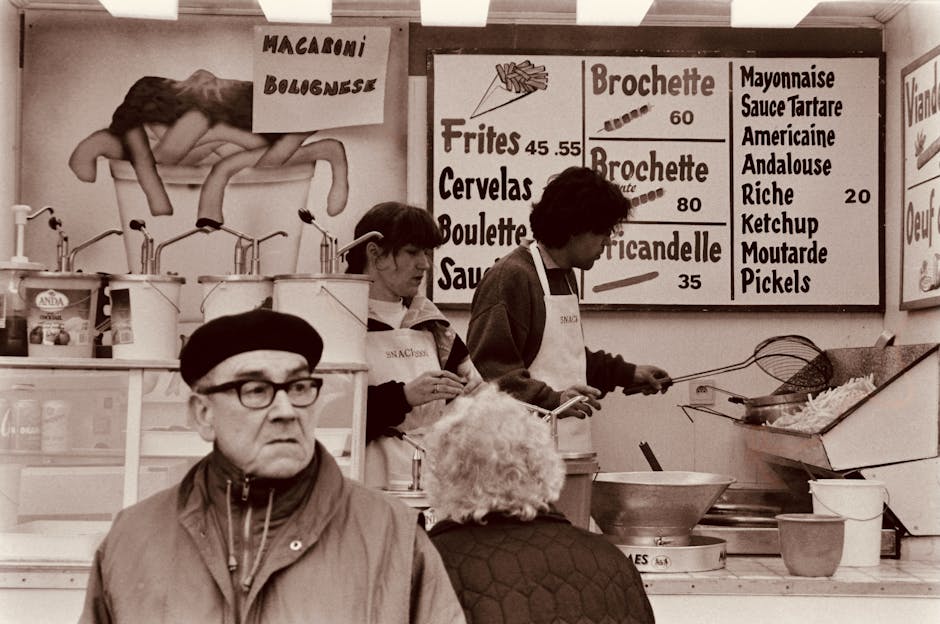
The best time to visit Berlin largely depends on your personal preferences regarding weather, crowd levels, and pricing.
Spring (March to May): Spring is a delightful time to experience Berlin, as the city shakes off winter’s chill. Temperatures gradually rise, ranging from 40°F to 65°F. The blooming flowers in parks and gardens create a picturesque backdrop. This season is relatively less crowded compared to summer, making it a perfect time for sightseeing.
Summer (June to August): If you love bustling energy and outdoor events, summer is ideal. Expect warm temperatures averaging between 65°F and 80°F. However, this peak season brings larger crowds and higher prices, especially during major events like the Berlin International Film Festival and the Berlin Pride Parade.
Autumn (September to November): Autumn is another fantastic time to visit. The weather is still pleasant, with temperatures ranging from 50°F to 70°F. The fall foliage adds a beautiful touch to the cityscape. Crowds begin to thin out, and prices start to drop after the summer rush.
Winter (December to February): Berlin winters can be cold, with temperatures often hovering around 30°F to 40°F. However, the city transforms into a winter wonderland, with festive Christmas markets and seasonal events. This off-peak season offers lower accommodation prices, but be prepared for chilly weather.
Where to Stay in Berlin#
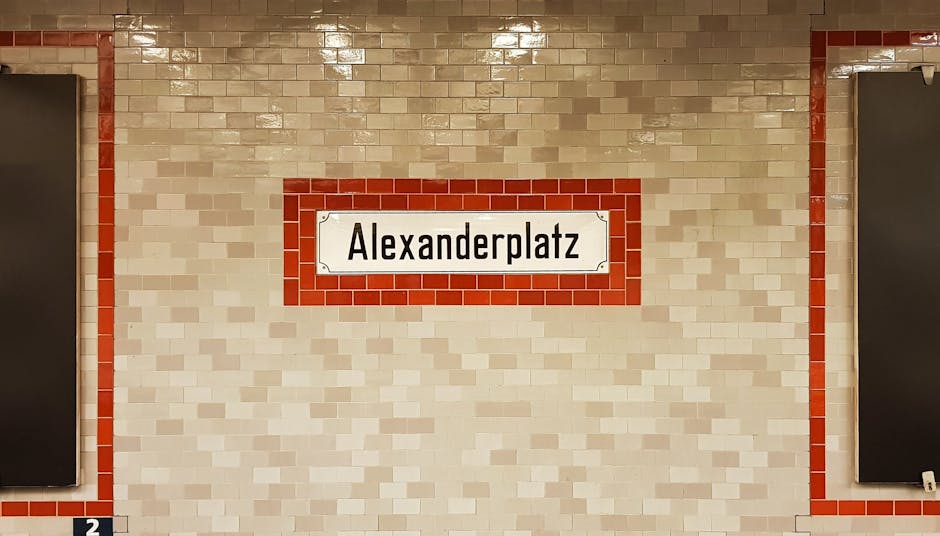
Choosing the right neighborhood can significantly enhance your experience in Berlin. Here are some recommendations across different price ranges:
Budget: If you’re looking to save, consider staying in districts like Friedrichshain or Kreuzberg. These areas are known for their lively atmosphere, street art, and affordable hostels or guesthouses. You’ll find plenty of budget-friendly eateries and vibrant nightlife options nearby.
Mid-Range: Prenzlauer Berg is a charming neighborhood that offers a mix of residential comfort and trendy cafes. This area boasts beautiful tree-lined streets and is close to parks and shopping. You can find comfortable boutique hotels and serviced apartments that cater to mid-range budgets.
Luxury: For a more upscale experience, the Mitte district is the heart of Berlin and home to many luxury hotels and high-end dining options. Staying here puts you within walking distance of iconic landmarks like the Brandenburg Gate and Museum Island, making it a convenient choice for exploring the city.
Top Things to Do in Berlin#
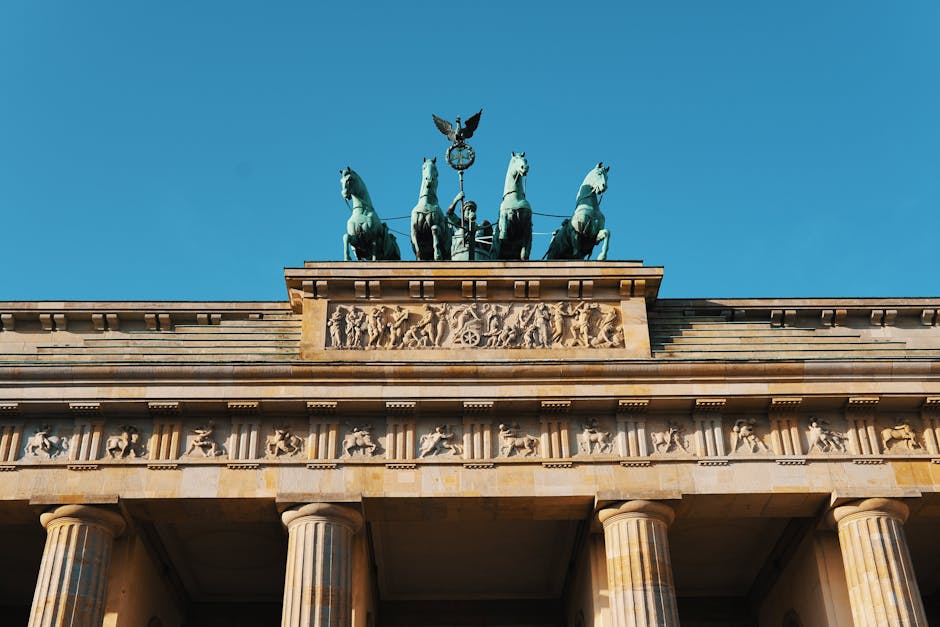
Berlin is brimming with attractions that cater to diverse interests. Here are some must-see sites and activities:
Brandenburg Gate: An iconic symbol of Berlin, this neoclassical monument is a must-visit. It stands as a testament to the city’s tumultuous history and serves as a gathering point for both locals and tourists.
Berlin Wall Memorial: Visit this poignant site to learn about the history of the Berlin Wall. The memorial features a preserved section of the wall, along with an informative visitor center.
Museum Island: A UNESCO World Heritage Site, Museum Island houses five world-renowned museums. Art and history enthusiasts will appreciate the vast collections, including ancient artifacts and European masterpieces.
East Side Gallery: This open-air gallery features murals painted on a remaining section of the Berlin Wall. It’s a vibrant display of artistic expression and a powerful reminder of the city’s history.
Reichstag Building: Home to the German Parliament, the Reichstag offers stunning architecture and a glass dome that provides panoramic views of the city. Be sure to book your visit in advance for a guided tour.
Tempelhofer Feld: Once an airport, this expansive park is perfect for picnics, biking, and kite flying. It’s a unique space where locals gather to relax and enjoy outdoor activities.
Kreuzberg District: Known for its multicultural vibe, Kreuzberg is a hub for street art, quirky shops, and eclectic dining options. It’s an excellent area to explore on foot.
Potsdamer Platz: A bustling square that blends modern architecture with historical significance. It’s a great place for shopping, dining, and entertainment, especially if you catch a movie at the nearby cinema.
Charlottenburg Palace: This beautiful baroque palace offers a glimpse into the royal history of Berlin. The surrounding gardens are perfect for a leisurely stroll.
Berlin Zoo: One of the oldest zoos in the world, the Berlin Zoo is home to a diverse collection of animals. It’s especially great for families and animal lovers.
Food and Dining Guide#
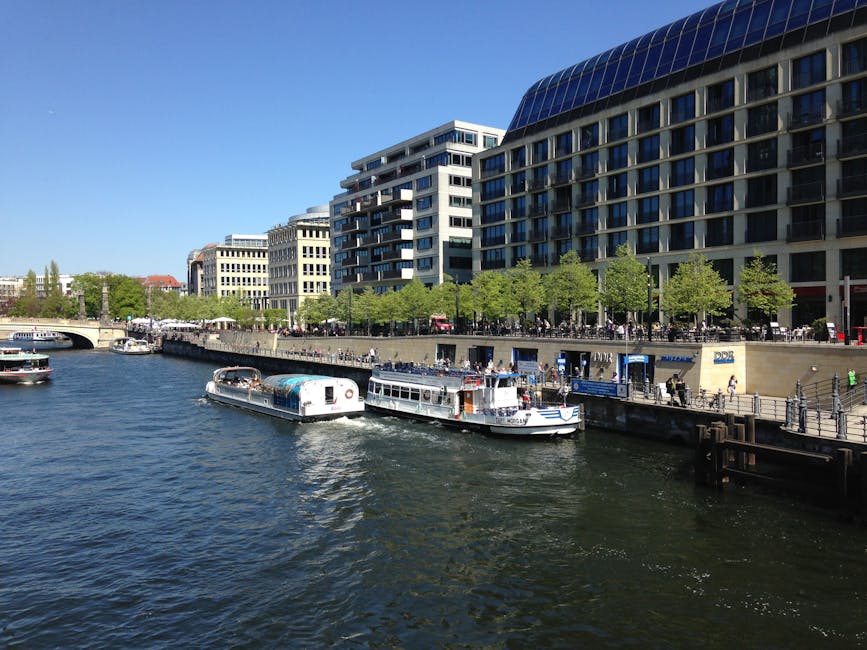
Berlin is a food lover’s paradise, offering a diverse culinary scene that reflects its multicultural heritage. Be sure to try these local dishes:
Currywurst: A beloved street food, currywurst consists of steamed and fried sausage topped with a tangy curry ketchup. You can find it at numerous food stalls throughout the city.
Döner Kebab: A popular fast food option, the döner kebab features seasoned meat (typically lamb, beef, or chicken) served in a pita with fresh vegetables and sauce. It’s a delicious and filling meal on the go.
Sauerbraten: This traditional German pot roast is marinated in a mixture of vinegar and spices, resulting in a tender and flavorful dish. It’s often served with red cabbage and dumplings.
Berliner Pfannkuchen: Don’t leave Berlin without trying a Berliner, a delicious jam-filled pastry that’s a local favorite. It’s the perfect sweet treat to enjoy with coffee.
Street Food Markets: Explore Berlin’s vibrant street food scene at markets like Markthalle Neun in Kreuzberg or Street Food auf Achse. These markets offer a variety of international cuisines and local specialties, making them great for sampling multiple dishes.
Dining in Berlin ranges from casual street food to upscale restaurants. While street food is an affordable option, you can also find excellent mid-range and fine dining establishments that showcase the city’s culinary diversity.
Getting Around Berlin#
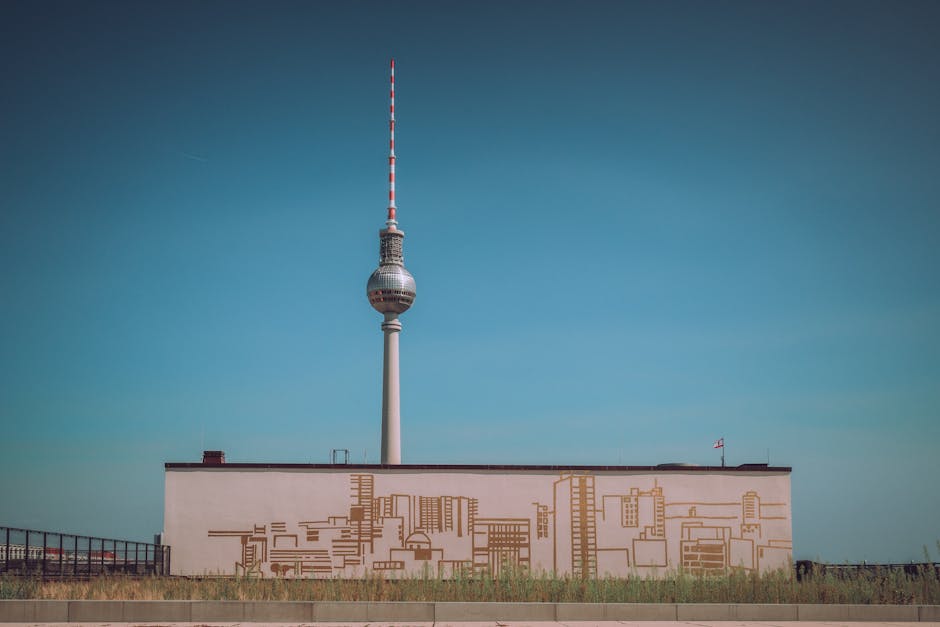
Navigating Berlin is straightforward thanks to its efficient public transportation system. Here’s a breakdown of your options:
Public Transit: The U-Bahn (subway), S-Bahn (commuter trains), trams, and buses form an extensive network that covers the city. A single ticket is valid for all modes of transport, making it easy to hop around. Consider purchasing a day pass if you plan to use public transit frequently.
Walking: Berlin is a pedestrian-friendly city, and many attractions are within walking distance of each other, especially in central areas like Mitte and Prenzlauer Berg. Walking allows you to discover hidden gems and local neighborhoods.
Cycling: Renting a bike is a popular way to explore Berlin. The city has numerous bike lanes, and many bike rental shops offer affordable rates. Cycling can be both fun and efficient for getting around.
Taxis and Rideshares: Taxis are widely available, and rideshare apps operate in the city. While these options can be convenient, they are usually more expensive than public transit.
Rental Cars: Renting a car is generally not necessary in Berlin, as public transportation is efficient. However, if you plan to explore surrounding areas or other cities, a rental car could be beneficial.
Budget Breakdown#
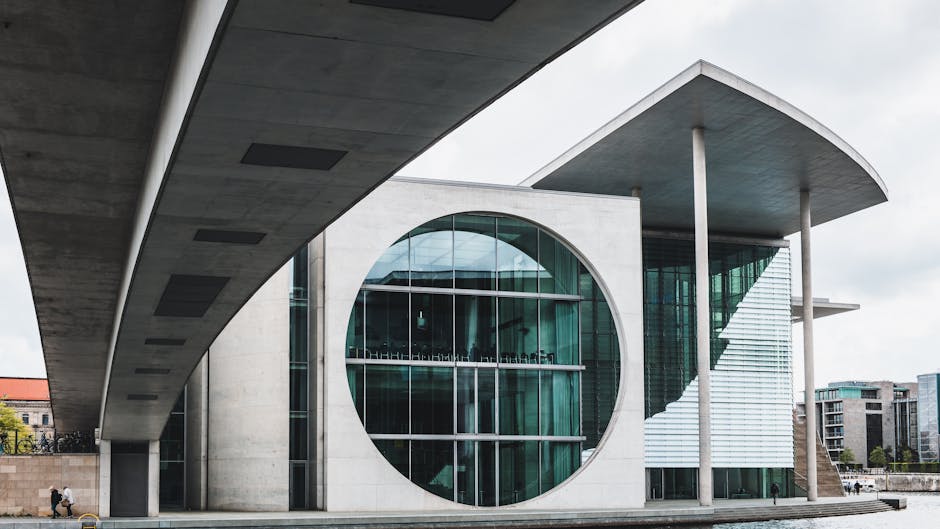
Understanding your daily budget can help you plan your trip effectively. Here’s a rough estimate of what you might expect to spend in Berlin:
Budget Travelers:
- Accommodation: $30-50 (hostels or budget hotels)
- Food: $15-30 (street food and casual dining)
- Transport: $5-10 (public transit)
- Activities: $10-20 (museums and attractions)
- Total: $70-110 per day
Mid-Range Travelers:
- Accommodation: $80-150 (mid-range hotels or private rentals)
- Food: $30-60 (a mix of casual and sit-down restaurants)
- Transport: $10-20 (public transit and occasional taxi)
- Activities: $20-40 (entry fees and tours)
- Total: $150-270 per day
Luxury Travelers:
- Accommodation: $200-400 (luxury hotels)
- Food: $60-150 (fine dining and gourmet experiences)
- Transport: $20-30 (taxis or private transfers)
- Activities: $40-100 (private tours and exclusive experiences)
- Total: $320-680 per day
These estimates can vary based on your travel style and preferences, but they provide a general guideline for budgeting your trip.
Travel Tips for Berlin#
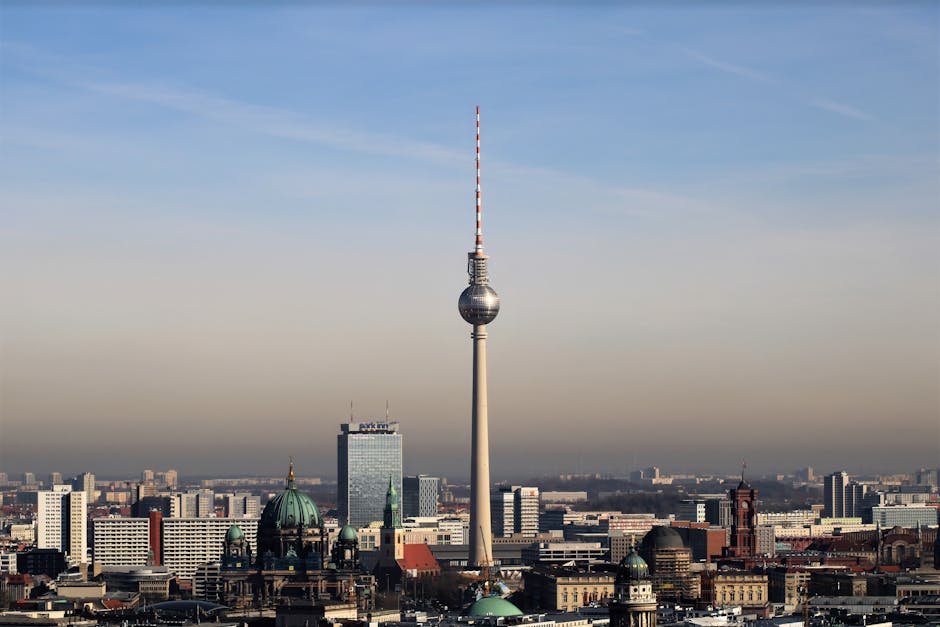
Safety: Berlin is generally safe for tourists, but like any major city, be aware of your surroundings and keep an eye on your belongings, especially in crowded areas.
Tipping: In restaurants, it’s customary to round up the bill or leave a tip of about 5-10%. For exceptional service, you can tip more.
Language: While many Berliners speak English, learning a few basic German phrases can enhance your experience and show respect for the local culture.
SIM Cards: If you need mobile data, consider purchasing a prepaid SIM card at the airport or local shops. This will help you stay connected during your trip.
Avoiding Scams: Be cautious of anyone asking for money or trying to sell you something in tourist-heavy areas. Stick to official services and vendors.
Cash vs. Card: While credit cards are accepted in many places, some smaller shops and restaurants prefer cash. It’s a good idea to carry some euros for smaller transactions.
Cultural Etiquette: Germans value punctuality, so make sure to arrive on time for appointments or reservations. Also, when using public transport, be considerate of others and offer your seat to those in need.
By keeping these tips in mind, you’ll be well-prepared for an unforgettable adventure in Berlin. If you’re also considering a trip to Nice, France or exploring the beautiful landscapes of Lake Bled, Slovenia , or even the charming streets of Tallinn, Estonia , each destination offers its own unique experiences that complement your travels in Berlin.