📌 Disclaimer
Prices, schedules, tour details, flight routes, visa requirements, and all other information on this page are based on data at the time of writing. Fares, availability, and policies may change. Please verify current details on the official website before booking.
Why Visit Budapest ?#
Budapest is often referred to as the “Paris of the East,” and for good reason. This vibrant city, split by the Danube River into Buda and Pest, is a treasure trove of history, culture, and stunning architecture. From the majestic Buda Castle perched atop the hills to the lively streets of Pest, Budapest offers a unique blend of old-world charm and contemporary flair. The city is rich in thermal baths, grand boulevards, and a thriving arts scene, making it a perfect destination for those who appreciate both relaxation and exploration.
One of the most compelling reasons to visit Budapest is its affordability compared to other European cities. American travelers can enjoy a delightful mix of experiences without breaking the bank. Whether you’re wandering through the historic streets, soaking in the famous thermal baths, or savoring delicious Hungarian cuisine, Budapest provides an exceptional travel experience that is both memorable and budget-friendly. Plus, the city’s rich cultural heritage, showcased through its museums, galleries, and festivals, makes it a dynamic destination that caters to all interests.
Best Time to Visit Budapest#
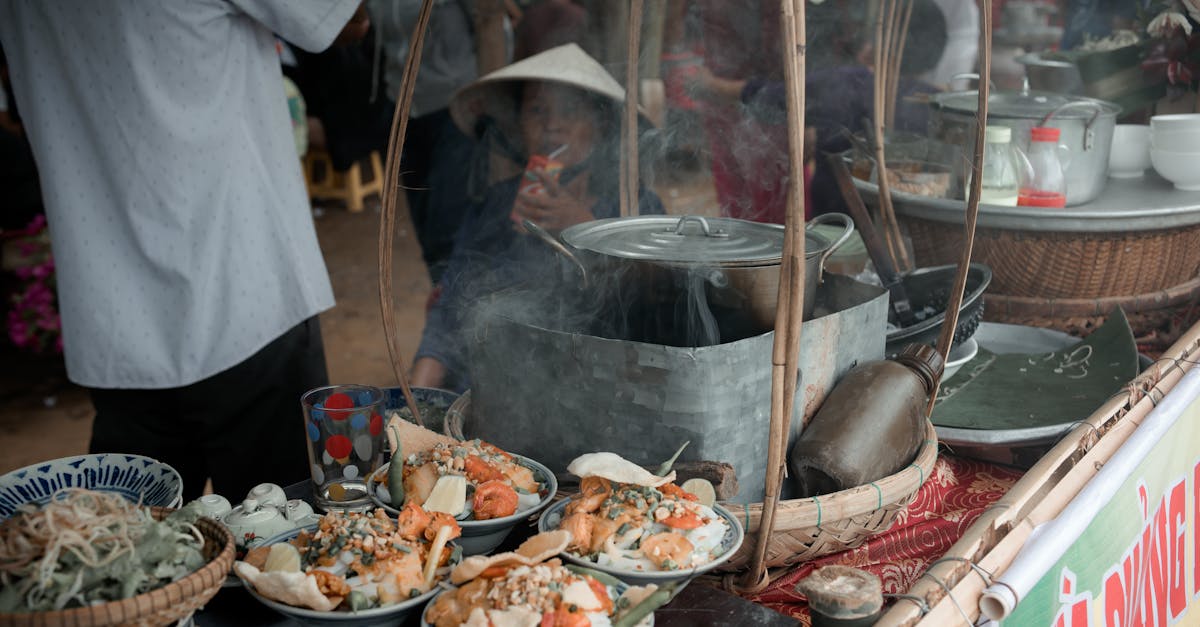
The ideal time to visit Budapest largely depends on what you want to experience. The city boasts four distinct seasons, each offering its own unique charm.
Spring (March to May): Spring is one of the best times to visit Budapest. The weather begins to warm up, with average temperatures ranging from 50°F to 70°F. Crowds are relatively light, and you can enjoy the blooming gardens and outdoor festivals. Prices for accommodations and activities start to rise slightly, but it’s still manageable.
Summer (June to August): Summer sees the highest number of tourists, and for good reason. The city is alive with festivals, outdoor concerts, and vibrant nightlife. However, temperatures can soar into the 80s and 90s, making it a hot time to explore. Expect higher prices for accommodations and attractions during this peak season.
Fall (September to November): Another fantastic time to visit, fall offers mild weather and fewer crowds. Temperatures range from 60°F to 70°F in September but drop as you move into November. This is also the time for the famous Budapest Wine Festival, showcasing local wines and cuisine. Prices start to decrease as the tourist season winds down.
Winter (December to February): Budapest transforms into a winter wonderland during the colder months. While temperatures can dip below freezing, the city is beautifully adorned with holiday lights and decorations. Christmas markets pop up throughout the city, offering local crafts and warming treats. This is the most budget-friendly time to visit, with significantly lower accommodation costs, although some attractions may have reduced hours.
Where to Stay in Budapest#
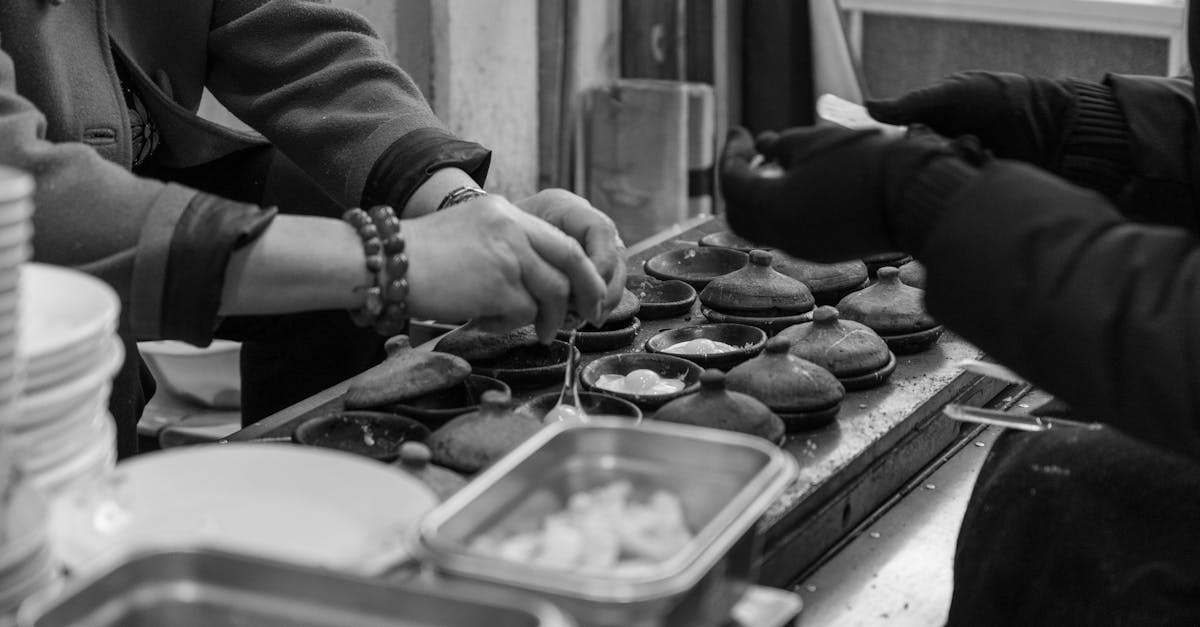
Finding the right neighborhood can enhance your Budapest experience. Here are some recommendations across different budget tiers:
Budget: The Jewish Quarter is a lively area filled with affordable hostels and guesthouses. It’s also a cultural hub, with plenty of street art, ruin bars, and local eateries. Staying here gives you easy access to many attractions, making it a favorite among budget travelers.
Mid-Range: Erzsébetváros is perfect for those seeking a balance between comfort and cost. This area is close to the city center and offers a variety of boutique hotels and charming apartments. It’s a great spot for enjoying local cafes and bars while being within walking distance of major sites.
Luxury: For a more upscale experience, consider the Castle District. This picturesque neighborhood is home to elegant hotels with stunning views of the Danube and Buda Castle. Staying here allows you to immerse yourself in history while enjoying luxurious accommodations and fine dining options.
Trendy: The Andrássy Boulevard area is ideal for travelers looking for a hip atmosphere. Known for its high-end shops and cultural landmarks, this neighborhood offers a mix of boutique hotels and stylish apartments, perfect for those wanting to indulge in Budapest’s modern vibe.
Top Things to Do in Budapest#
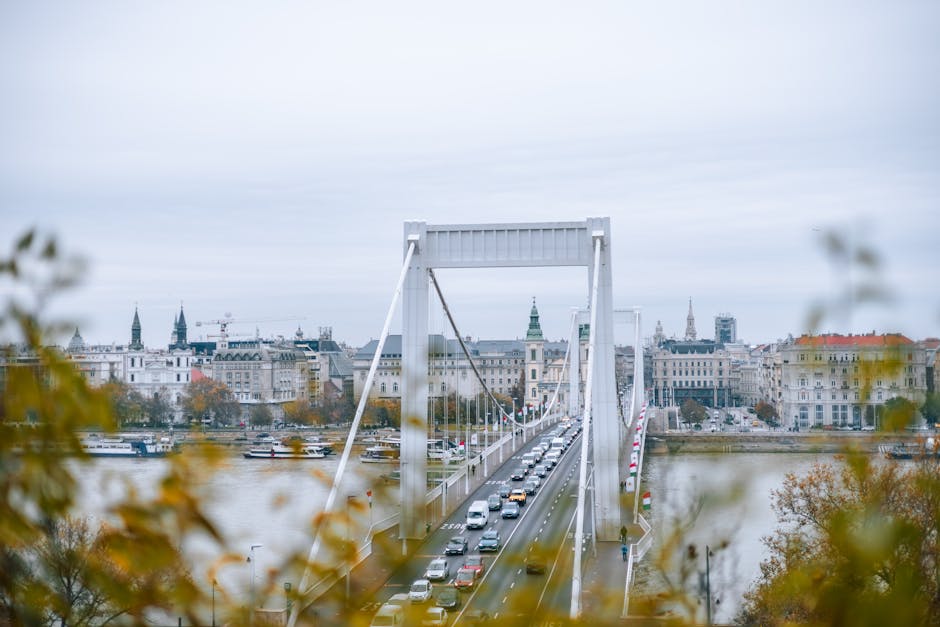
Buda Castle: This UNESCO World Heritage Site offers stunning views of the city and houses the Hungarian National Gallery and the Budapest History Museum. A stroll through the castle grounds is a must for history enthusiasts.
Thermal Baths: Budapest is famous for its thermal baths, such as Széchenyi and Gellért. These historic spas offer relaxation and rejuvenation, with various indoor and outdoor pools, saunas, and wellness treatments.
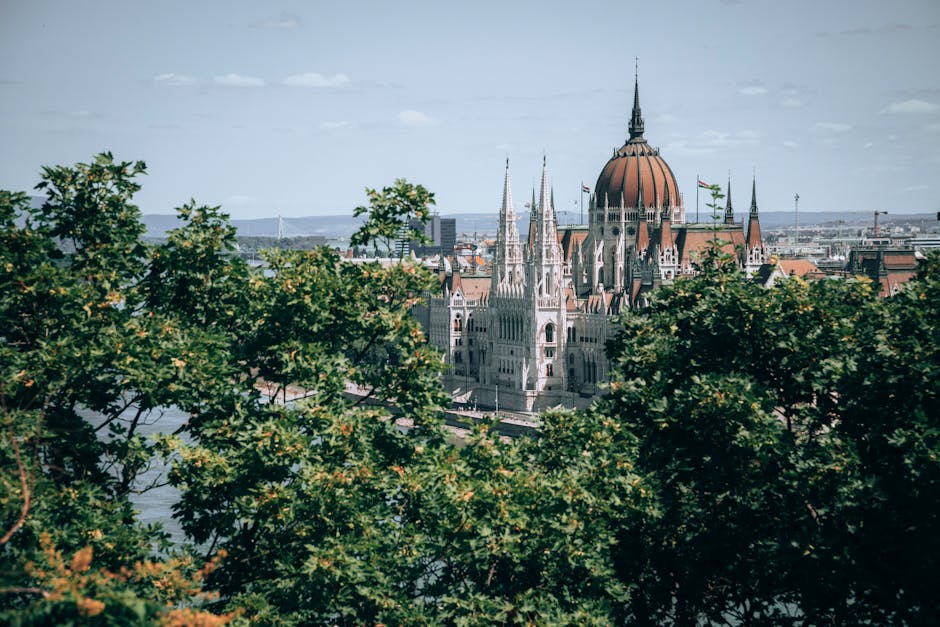
Parliament Building: One of the most iconic landmarks in Budapest, this architectural masterpiece is the largest parliament building in Europe. Guided tours allow you to explore its stunning interior and learn about Hungary’s political history.
St. Stephen’s Basilica: This grand basilica is not only a place of worship but also offers panoramic views from its dome. The interior is adorned with beautiful artwork and is a peaceful spot to reflect.
Fisherman’s Bastion: Located in the Buda Castle District, this neo-Romanesque terrace provides some of the best views of the Danube and Pest. Its fairy-tale-like architecture makes it a popular photo spot.
Ruin Bars: Experience Budapest’s unique nightlife by visiting its famous ruin bars, like Szimpla Kert. These eclectic bars are set in abandoned buildings and courtyards, decorated with mismatched furniture and art, creating a lively atmosphere.
Heroes’ Square: This monumental square is surrounded by the Museum of Fine Arts and the Hall of Art. It’s a great place to learn about Hungary’s history and enjoy the impressive statues of national leaders.
Great Market Hall: A feast for the senses, this bustling market is the perfect place to sample local delicacies, shop for souvenirs, and experience the vibrant culture of Budapest.
Danube River Cruise: A cruise along the Danube provides a unique perspective of Budapest’s landmarks, especially during sunset when the city lights up. Many companies offer dinner cruises, combining sightseeing with Hungarian cuisine.
Gellért Hill: For breathtaking views of the city, hike up Gellért Hill. The climb is rewarding, and at the top, you’ll find the Citadel and the Liberty Statue, both steeped in history.
Food and Dining Guide#
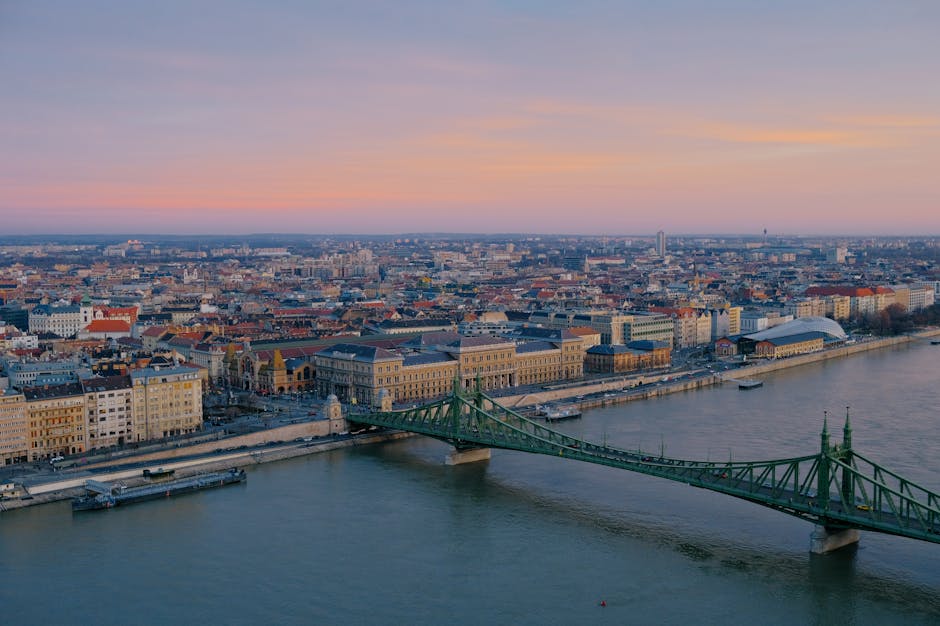
Hungarian cuisine is hearty and flavorful, with influences from various cultures. Here are some local highlights and must-try dishes:
Goulash: A staple of Hungarian cuisine, this hearty stew made with beef, potatoes, and paprika is a must-try. You can find it in many restaurants and eateries throughout the city.
Langos: This deep-fried flatbread is often topped with sour cream and cheese. It’s a popular street food item and perfect for a quick snack while exploring.
Fisherman’s Soup: Known as “halászlé,” this spicy fish soup is made with fresh river fish and paprika. It’s a traditional dish that showcases Hungary’s culinary heritage.
Chimney Cake: This sweet pastry, known as “kürtőskalács,” is cooked over an open flame, creating a crispy exterior and soft interior. It’s available at street stalls and is a delightful treat.
Dobos Torte: A classic Hungarian dessert, this layered cake features rich chocolate buttercream and a caramel topping. It’s a perfect way to end a meal.
When dining out, you’ll find a range of options from casual street food stalls to upscale restaurants. For a truly local experience, visit the Great Market Hall for delicious food stalls or dine at a traditional Hungarian restaurant. Don’t forget to pair your meals with local wines or a refreshing glass of pálinka, a traditional fruit brandy.
Getting Around Budapest#
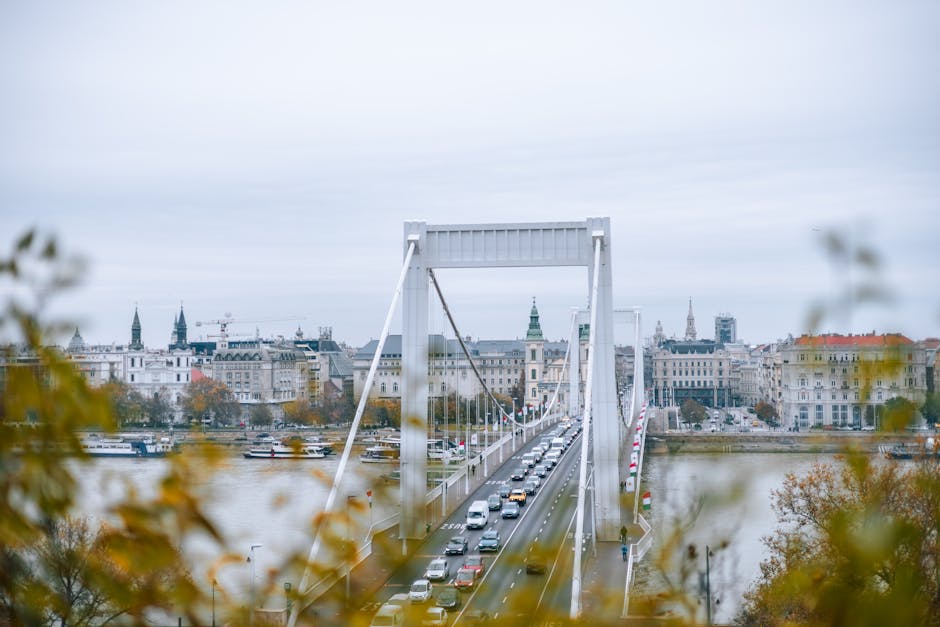
Navigating Budapest is relatively easy, thanks to its efficient public transportation system. Here are some options:
Public Transit: The city has an extensive network of buses, trams, and metro lines. Purchasing a travel pass can be cost-effective for unlimited rides. The metro system is particularly convenient for reaching major attractions.
Walking: Many of Budapest’s key sights are within walking distance of each other, especially in the city center. Strolling along the Danube and through the historic neighborhoods is a great way to soak in the atmosphere.
Taxis: Taxis are available, but it’s advisable to use a reputable taxi app to avoid scams. Always check that the meter is running or agree on a fare beforehand.
Biking: Budapest has bike-sharing programs that allow you to explore the city on two wheels. It’s a fun and eco-friendly way to get around.
Rental Cars: While renting a car is an option, it’s generally not recommended due to limited parking and heavy traffic in the city center. Public transport is typically more convenient.
Budget Breakdown#
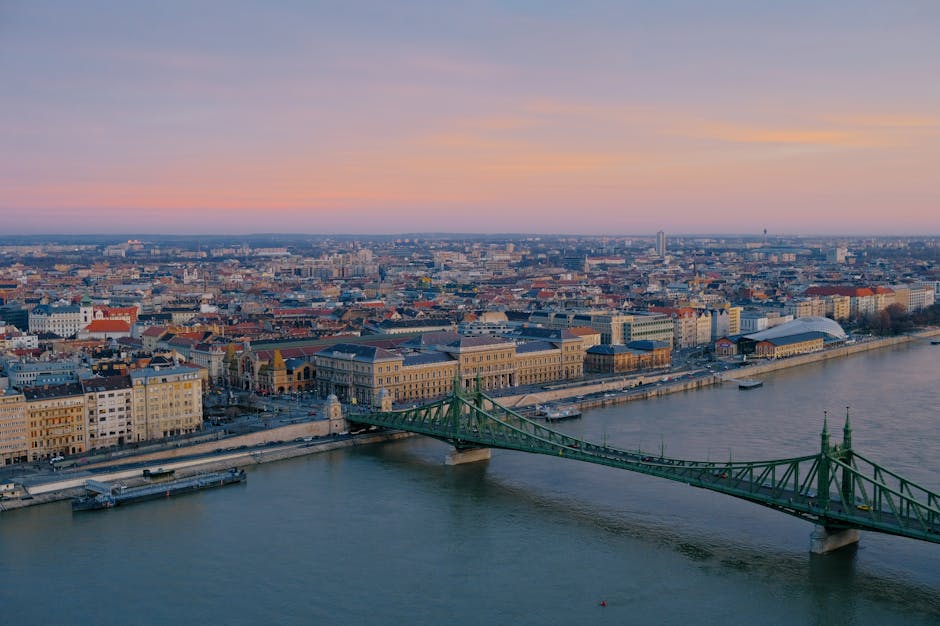
Understanding the costs involved can help you plan your trip effectively. Here’s a rough daily budget estimate for different types of travelers:
Budget Travelers: Expect to spend around $50-$75 per day. This includes budget accommodations (starting around $30-50/night), affordable local meals, public transportation, and free or low-cost attractions.
Mid-Range Travelers: A budget of $100-$200 per day is reasonable. This covers mid-range hotels (approximately $70-150/night), dining at local restaurants, and entry fees to attractions.
Luxury Travelers: For those seeking a more upscale experience, plan to spend $250 and up per day. This includes luxury accommodations (starting at $150/night), fine dining, private tours, and additional activities.
Keep in mind that prices can vary depending on the season and availability, so it’s wise to book in advance, especially during peak tourist months.
Travel Tips for Budapest#
Safety: Budapest is generally safe for tourists, but it’s wise to be aware of your surroundings, especially in crowded areas. Keep your belongings secure and avoid poorly lit streets at night.
Tipping: Tipping is customary in Hungary. In restaurants, a tip of around 10-15% is appreciated. For taxis, rounding up the fare is common.
Language: While many locals speak English, especially in tourist areas, learning a few basic Hungarian phrases can enhance your experience and show respect for the culture.
SIM Cards: If you need internet access, consider purchasing a local SIM card upon arrival. This can help you navigate the city and stay connected without incurring high roaming fees.
Scams to Avoid: Be cautious of overly friendly strangers offering unsolicited help or services. Stick to official sources for information and transactions to avoid potential scams.
Currency: Hungary uses the Forint (HUF). Credit cards are widely accepted, but it’s good to have some cash for smaller purchases or street food.
Cultural Etiquette: Hungarians value politeness. A simple “Kérem” (please) and “Köszönöm” (thank you) can go a long way in building rapport with locals.
Budapest is a captivating city filled with history, culture, and charm. With its affordability and diverse experiences, it’s undoubtedly worth visiting for American travelers seeking an enriching European adventure. If you’re also considering a trip to Lake Bled, Slovenia , check out our guide for more travel inspiration.