📌 Disclaimer
Prices, schedules, tour details, flight routes, visa requirements, and all other information on this page are based on data at the time of writing. Fares, availability, and policies may change. Please verify current details on the official website before booking.
Traveling from the West Coast’s sprawling metropolis to the high‑altitude capital of Utah can feel like a change of scenery in an instant. A short flight of just over an hour can take you from the palm‑lined streets of Los Angeles to the snow‑capped peaks that frame Salt Lake City’s skyline. Whether you’re chasing outdoor adventure, a quick business meeting, or a weekend of cultural exploration, the route is popular enough that airlines compete fiercely on price. Below you’ll find a deep dive into the current market, the best moments to lock in a deal, and practical tips that keep your wallet happy without sacrificing comfort.
Current Flight Prices: Los Angeles to Salt Lake City#
The most recent 48‑hour window has produced a cluster of ultra‑low fares that sit comfortably under the $100 mark. According to our database, the cheapest nonstop options for a September 3 2026 departure are:
- $97 via Mytrip.com, 0 stops
- $98 via Mytrip.com, 0 stops
- $99 via Mytrip.com, 0 stops (two separate listings)
- $100 via Mytrip.com, 0 stops
All five listings are for direct flights, meaning you’ll spend roughly an hour in the air and avoid the hassle of changing planes. The price spread is narrow, suggesting that demand is steady but not yet at a peak that would push fares higher. If you’re flexible on the exact departure time, you can often snag one of these seats without needing to wait for a flash sale.
Because the data comes from a single booking platform, it’s a good idea to cross‑check a couple of other sites before you finalize. However, the consistency across the $97‑$100 range indicates that the market is currently very competitive for this corridor.
Best Time to Book Flights to Salt Lake City#
Airfare for the LAX‑SLC corridor follows a fairly predictable rhythm, driven by a mix of seasonal tourism, business travel, and the academic calendar. Understanding these patterns can shave another $20‑$40 off a ticket that already looks cheap.

Advance window – Most airlines release their schedules about 11 months ahead, and the sweet spot for low fares typically appears 6‑8 weeks before departure. Booking within this window gives you access to the inventory that airlines hold for price‑sensitive travelers. For a September trip, the optimal booking period is usually late June through early July.
Day of the week – Mid‑week departures (Tuesday, Wednesday, Thursday) consistently outperform weekend flights in price. The data from Mytrip.com reflects a Tuesday departure on September 3, which aligns with the broader trend that Tuesdays often host the deepest discounts.
Time of day – Early‑morning and late‑evening slots tend to be cheaper because they are less convenient for most passengers. If you can tolerate a 6 a.m. or 9 p.m. departure, you’ll frequently see lower price tags.
Seasonal dips – Late summer (mid‑August to early September) is a transitional period between the peak summer vacation rush and the start of the fall ski season in Utah. This window often yields the best combination of weather and price. Conversely, the weeks surrounding the Sundance Film Festival (late January) and the ski holidays (December 24‑31) see a spike in demand, pushing fares upward.
Fare alerts – Setting up price notifications on a few reputable sites can help you catch a sudden dip. Because the LAX‑SLC market is competitive, airlines sometimes release flash sales that last only a few hours. An alert ensures you’re ready to act.
Direct vs. Connecting Flights#
The data we have highlights five nonstop options, all priced between $97 and $100. While a direct flight is undeniably the fastest way to travel, it’s worth weighing the pros and cons of connecting itineraries, especially if you’re chasing an even lower fare or need flexibility.

Speed and convenience – A nonstop flight from Los Angeles International to Salt Lake City International takes roughly 1 hour 15 minutes. You avoid the added stress of navigating a second airport, dealing with baggage transfers, and the risk of missed connections. For business travelers or those on a tight schedule, the time saved often justifies the slightly higher price.
Potential savings – Historically, a one‑stop flight can be $10‑$30 cheaper than a nonstop, but the savings are not guaranteed. In the current snapshot, the lowest listed price is already a direct $97, which is hard to beat. If you find a connecting flight that dips below $90, the extra travel time (usually an additional 1‑2 hours) might be acceptable.
Airport experience – Most connections for this route occur at hubs like Denver (DEN) or Phoenix (PHX). Both airports offer a range of dining and shopping options, making a layover less of a chore if you have a few hours to spare. However, keep in mind that security re‑screening is required for most connections, adding to total travel time.
Risk factor – Weather can be a wildcard in the Mountain West. Snowstorms in Utah or thunderstorms in California sometimes cause delays. A direct flight eliminates the compounding risk of a delayed inbound flight causing a missed connection.
Overall, if you can secure a nonstop ticket at the $97‑$100 level, it’s usually the smartest choice. The marginal savings from a connecting flight rarely outweigh the convenience and reliability of a direct service.
Which Airlines Fly This Route?#
Several carriers operate nonstop service between Los Angeles and Salt Lake City, giving travelers a healthy selection of cabin products, loyalty programs, and ancillary options. While the specific low‑fare listings we saw were posted through Mytrip.com, the airlines behind those seats are part of the broader market.

Delta Air Lines – Offers a robust schedule with multiple daily flights. Delta’s Comfort+ seats provide extra legroom for a modest fee, and the airline’s SkyMiles program is a draw for frequent flyers.
Alaska Airlines – Known for a friendly cabin crew and generous baggage allowance (first bag free on most fare classes). Alaska’s “Mileage Plan” is highly regarded for its partner network.
Southwest Airlines – The only major U.S. carrier that includes two checked bags in the base fare. Southwest’s “Rapid Rewards” points accrue quickly on this short route, and the open‑seating policy can be a plus if you’re flexible about where you sit.
United Airlines – Provides several daily departures, often with a mix of Economy and Economy Plus options. United’s “MileagePlus” program integrates well with Star Alliance partners, useful for travelers planning multi‑city trips.
American Airlines – While not as frequent on this specific corridor, American does operate select nonstop flights, especially during peak travel periods. Their AAdvantage miles can be valuable for those who already hold a balance.
All of these airlines typically use narrow‑body aircraft such as the Airbus A320 family or Boeing 737 series for the LAX‑SLC sector. The cabin experience is comparable, with seat pitch ranging from 30‑31 inches in standard economy to 34‑35 inches in premium economy or “extra legroom” products.
When you’re hunting for the lowest fare, it’s worth checking each airline’s own website in addition to third‑party aggregators. Occasionally, a carrier will run a flash promotion that isn’t mirrored on the larger booking platforms.
Money-Saving Tips for Los Angeles to Salt Lake City Flights#
Even with fares already hovering around $100, there are still ways to stretch your travel budget further. Below are practical tactics that have helped countless travelers keep costs low without compromising safety or comfort.

Leverage credit‑card travel portals – Many travel rewards cards offer a discount of 5‑10 % when you book flights through their portal. If you have a card that provides a 5 % statement credit on travel purchases, a $97 ticket effectively becomes $92.
Pack light – Southwest includes two checked bags, but the other airlines charge for anything beyond a personal item and a small carry‑on. By traveling with just a backpack, you avoid the $30‑$35 checked‑bag fee that can quickly erode a $100 fare.
Use airline‑specific fare calendars – Delta, United, and Alaska each display a monthly view of their lowest fares. If your dates are flexible by a day or two, you can often spot a $5‑$10 dip that isn’t visible on generic search engines.
Consider alternate airports – While LAX is the primary gateway for Los Angeles, nearby airports such as Burbank (BUR) or Long Beach (LGB) sometimes host cheaper flights, especially on Southwest. A short drive or rideshare to an alternate airport can be worth the savings.
Enroll in loyalty programs – Even if you don’t fly often, signing up for a free frequent‑flyer account can give you access to member‑only promotions. Some airlines release “member‑only” fares that are a few dollars lower than the public price.
Watch for “bundled” offers – Occasionally, airlines will bundle a flight with a hotel or car rental at a discounted rate. If you need accommodations, this can reduce overall travel expenses, but be sure to compare the bundled price against booking each component separately.
Travel during off‑peak hours – Early‑morning flights (before 7 a.m.) or late‑night departures often have lower ancillary fees, such as reduced seat‑selection costs. If you’re comfortable with a non‑prime time schedule, you can avoid paying extra for a preferred seat.
Check for student or military discounts – Some carriers provide a modest discount (typically 5‑10 %) for active‑duty military personnel, veterans, or students with a valid ID. It’s a quick verification step that can shave a few dollars off the ticket.
Use cash‑back portals – Before you finalize a purchase on Mytrip.com, visit a cash‑back website that offers a percentage rebate on travel bookings. The rebate is credited back to your account after the flight is completed, effectively reducing the net cost.
Stay alert for price drops after purchase – A growing number of airlines and booking platforms will re‑price a ticket if the fare falls after you’ve bought it. If the price drops by $10 or more, you can often claim a credit or receive a refund for the difference.
By combining several of these strategies, you can often bring the total out‑of‑pocket expense for a round‑trip LAX‑SLC journey well below $200, leaving more room in your budget for activities, dining, or a night in a downtown hotel.
What to Expect When You Arrive in Salt Lake City#
Landing at Salt Lake City International (SLC) feels like stepping into a city that balances modern amenities with easy access to the great outdoors. The airport itself has undergone a major redesign, featuring a spacious main terminal, abundant natural light, and clear signage that makes navigation straightforward.

Ground transportation – The most popular options are the Utah Transit Authority’s (UTA) TRAX light‑rail system and the FreeRide shuttle that connects the airport to downtown hotels. A one‑way TRAX ticket costs $2.50 and drops you off within a few minutes of the city’s central business district. Ride‑share services such as Uber and Lyft are also plentiful, with typical rides to downtown ranging from $15‑$20, depending on traffic.
Baggage claim – If you’re traveling on Southwest, you’ll likely have two checked bags waiting for you, while other airlines may only have a single piece. The claim area is well‑organized, and most bags appear within 10‑15 minutes of the aircraft’s arrival.
Rental cars – Salt Lake City is a hub for outdoor recreation, so many visitors opt for a rental car. All major agencies have counters in the main terminal, and you can often secure a compact vehicle for as little as $30 per day during the shoulder season.
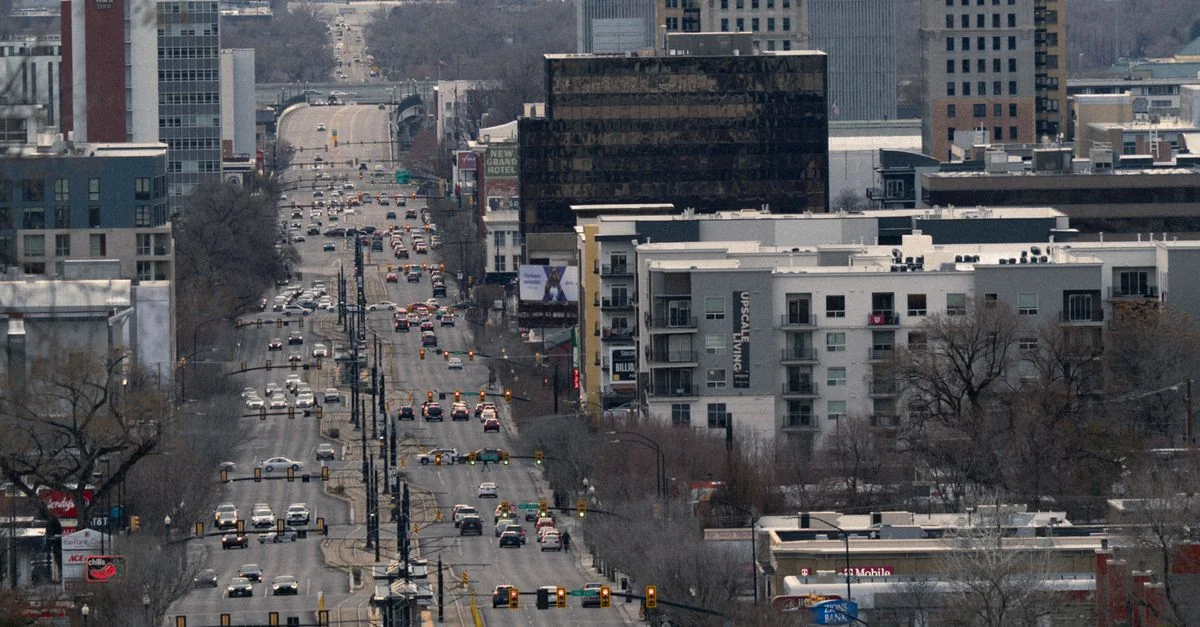
City vibe – The downtown area is compact and walkable, with a mix of historic brick buildings, modern office towers, and a lively arts scene. If you have a few hours before your next commitment, consider strolling down Main Street, grabbing a coffee at a local café, or popping into the Utah Museum of Contemporary Art, which is just a short walk from the transit stop.
Weather considerations – September in Salt Lake City is typically mild, with daytime highs in the mid‑70s °F and cooler evenings. However, the city sits at an elevation of about 4,200 feet, so it’s wise to stay hydrated and wear layers if you plan to head outdoors later in the day.
Connectivity – Free Wi‑Fi is available throughout the airport, and most downtown cafés and hotels offer reliable internet, making it easy to catch up on work or plan the next leg of your adventure.
Overall, the transition from Los Angeles to Salt Lake City is smooth, and the city’s efficient transportation network ensures you can start exploring almost immediately after you step off the plane.
Traveling between Los Angeles and Salt Lake City doesn’t have to break the bank. With current nonstop fares sitting between $97 and $100, a well‑timed booking, and a few savvy hacks, you can enjoy a comfortable flight and still have plenty left over for the outdoor activities, cultural sites, and culinary experiences that make Utah’s capital a rewarding destination. Keep an eye on the fare calendar, stay flexible on departure times, and use the tips above to lock in the best possible price. Safe travels!
From flight_prices, verified records indicate min price 97.0 USD; min stops 0 stops; departure date 2026-09-03 date; airline Mytrip.com; route LAX→SLC.
📌 Disclaimer
Prices, schedules, tour details, flight routes, visa requirements, and all other information on this page are based on data at the time of writing. Fares, availability, and policies may change. Please verify current details on the official website before booking.