📌 Disclaimer
Prices, schedules, tour details, flight routes, visa requirements, and all other information on this page are based on data at the time of writing. Fares, availability, and policies may change. Please verify current details on the official website before booking.
Current Flight Prices: SEA to San Francisco#
Travelers searching for seats on this popular West Coast route have access to several recent low fares recorded in our booking database over the past 48 hours. The absolute lowest rate currently available comes in at $135 via Kiwi.com, featuring a nonstop itinerary scheduled for departure on October 2, 2026. This direct option provides a streamlined travel experience for anyone looking to get from the Pacific Northwest to Northern California without intermediate stops or plane changes.
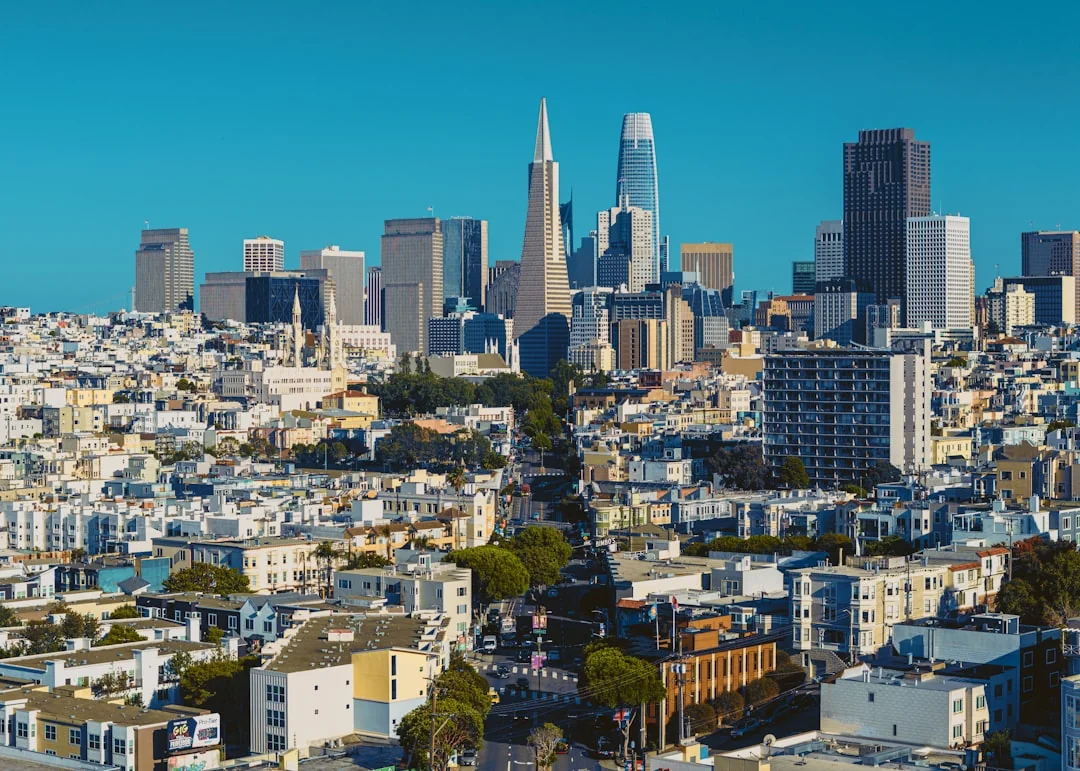
For those eyeing spring travel dates, multiple options appear through Skytripfare for departures on May 22, 2026. A slightly higher price point of $144 is available on this date with a one-stop itinerary. Right behind that option, travelers can find fares priced at $145 and $146, all routing through a single connection and booked via Skytripfare for the same May 22 departure date. These consecutive price tiers demonstrate how quickly inventory shifts across different booking engines and routing types, meaning passengers should act fast when a preferred departure window appears on their screen. Comparing these specific figures shows that flying direct in the fall can actually cost slightly less than taking a connecting journey in the spring, defying the common assumption that nonstops always carry a hefty premium.
Best Time to Book Flights to San Francisco#
Securing a competitive fare on the Seattle to San Francisco run often depends heavily on lead time and seasonal travel patterns. Generally, booking domestic West Coast flights between four to eight weeks in advance yields the most reliable pricing. However, major tech events, graduation weekends in May, and peak autumn tourism periods can cause sudden spikes in demand. The May departures priced around $144 to $146 reflect late-spring pricing when visitor numbers to the Bay Area begin to climb alongside warmer weather. Conversely, the October fare of $135 captures the shoulder season, a period when fog patterns along the coast soften and crowds thin out significantly. Monitoring fare fluctuations three months prior to your intended departure allows you to jump on promotional drops, particularly when booking aggregators release autumn inventory.
Direct vs. Connecting Flights#
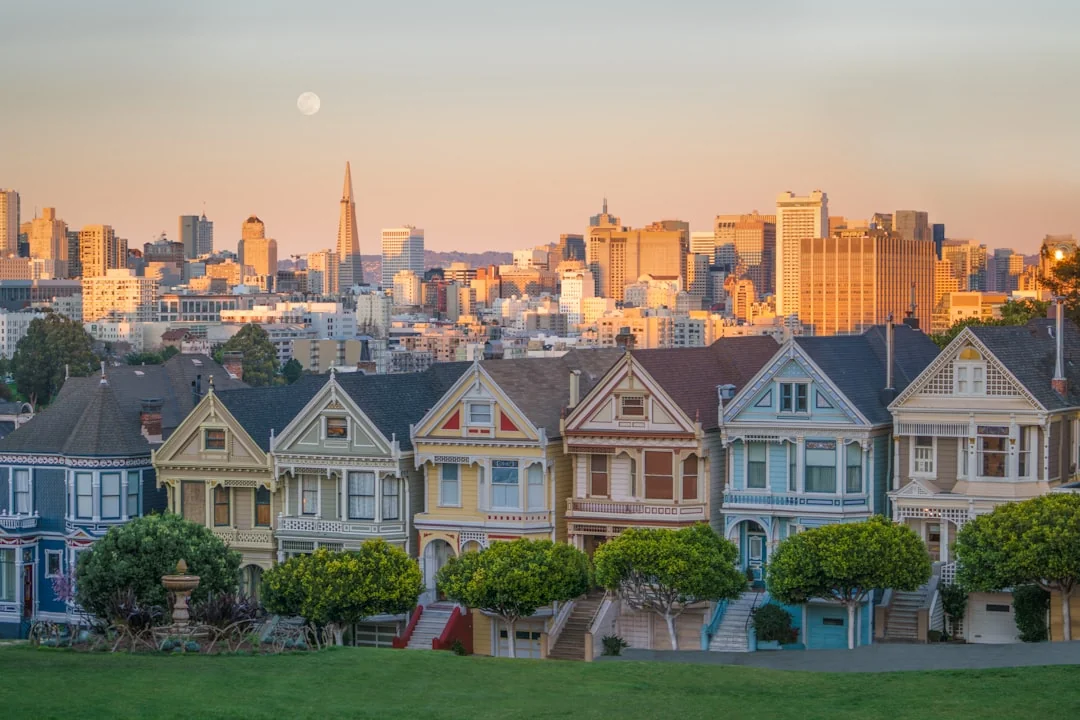
Choosing between a nonstop journey and a layover flight involves balancing your schedule against your wallet. The nonstop option priced at $135 via Kiwi.com for October 2 takes roughly two hours and fifteen minutes from gate to gate, making it the most efficient choice for business travelers and weekend vacationers alike. Eliminating stops also removes the risk of missed connections, lost luggage during plane changes, and extended travel days caused by weather delays at intermediate hubs. On the other hand, the one-stop itineraries priced between $144 and $146 through Skytripfare for May 22 suggest that indirect routes occasionally price close to, or even slightly above, direct flights depending on airline inventory and the specific booking channel used. While a layover adds hours to your travel time, it occasionally opens up access to different departure times if the direct flights are fully booked or inconveniently scheduled.
Which Airlines Fly This Route?#
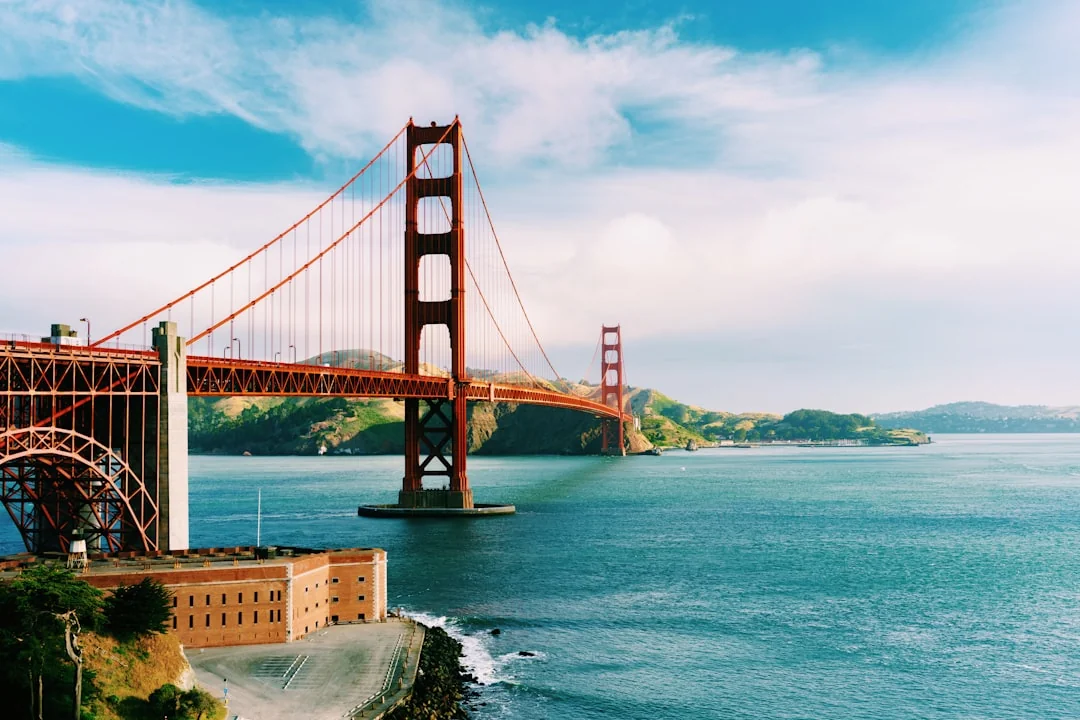
The Seattle-San Francisco corridor is heavily contested by several major carriers, ensuring steady competition that keeps base fares relatively low. Alaska Airlines and Delta Air Lines operate frequent daily nonstops out of Seattle-Tacoma International Airport, capitalizing on their strong presence as primary carriers in the Pacific Northwest. United Airlines also maintains a robust schedule of direct flights to San Francisco, leveraging its major hub operations at both ends of the route to offer flexible timing for connecting and nonstop passengers alike. Low-cost carriers like Southwest Airlines frequently inject competitive pricing into the market, even if their specific rates fluctuate daily based on seat availability and baggage policies. When booking through third-party platforms like Kiwi.com or Skytripfare, travelers often find tickets operated by these major legacy and low-cost airlines packaged at discounted rates, allowing budget-conscious flyers to secure seats on reliable aircraft without paying full retail price directly through the airline website.
Money-Saving Tips for SEA to San Francisco Flights#
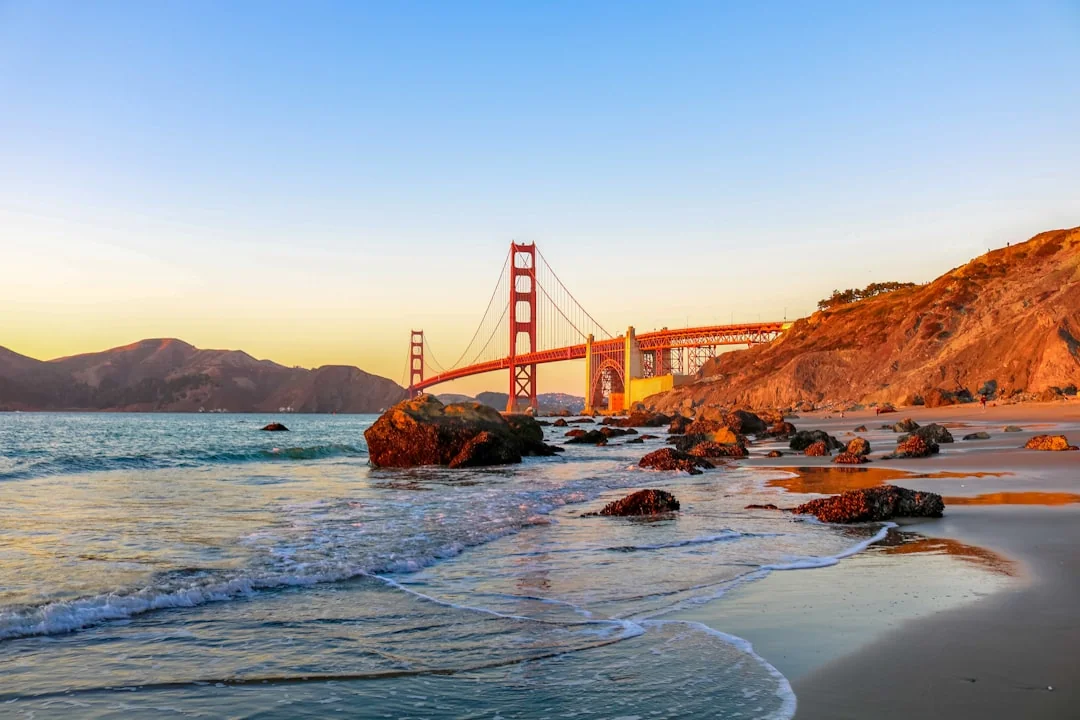
Trimming your travel budget on the Seattle to San Francisco route involves more than just picking the lowest displayed price. Traveling light remains one of the easiest ways to avoid ancillary fees, as basic economy tickets on major carriers often exclude overhead carry-on bags or checked luggage. If you can fit everything into a small personal item that fits under the seat ahead of you, ultra-low fares become genuinely cheap. Flexibility with your calendar also plays a major role; shifting your departure from a high-demand Friday afternoon to a Tuesday or Wednesday morning frequently unlocks cheaper fare classes. Additionally, clearing your browser cookies or using private browsing windows when searching for flights prevents dynamic pricing algorithms from tracking your repeated searches and artificially inflating quoted rates. Setting up automated price alerts through flight tracking tools ensures you receive instant notifications when fares drop toward the $135 range seen in recent booking data.
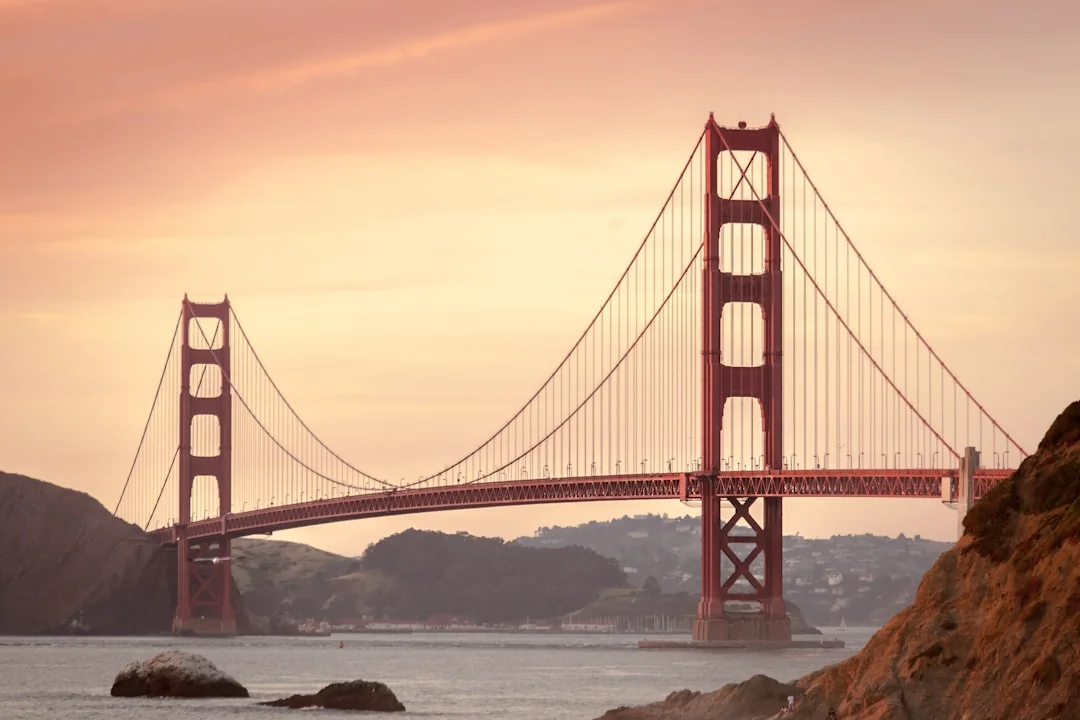
What to Expect When You Arrive in San Francisco#
Landing at San Francisco International Airport places you just a short distance from the heart of the city, with efficient transit connections ready to get you to your final destination. The Bay Area Rapid Transit system, commonly known as BART, operates a direct rail station located right inside the international terminal, providing a quick and affordable ride into downtown San Francisco without dealing with highway traffic. Taxis and ride-sharing services like Uber and Lyft maintain designated pickup zones on the upper levels of the airport terminals, though wait times can peak during heavy arrival banks in the late afternoon. Travelers renting a car should head to the Rental Car Center via the dedicated AirTrain system, which runs 24 hours a day and connects all passenger terminals with rental providers and long-term parking lots. Once you step outside the terminal, expect the signature cool coastal breeze and famous rolling fog, making a light jacket a smart item to pull out of your bag immediately upon arrival.
📌 Disclaimer
Prices, schedules, tour details, flight routes, visa requirements, and all other information on this page are based on data at the time of writing. Fares, availability, and policies may change. Please verify current details on the official website before booking.
📌 More about San Francisco