📌 Disclaimer
Prices, schedules, tour details, flight routes, visa requirements, and all other information on this page are based on data at the time of writing. Fares, availability, and policies may change. Please verify current details on the official website before booking.
Why Visit Hanoi ?#
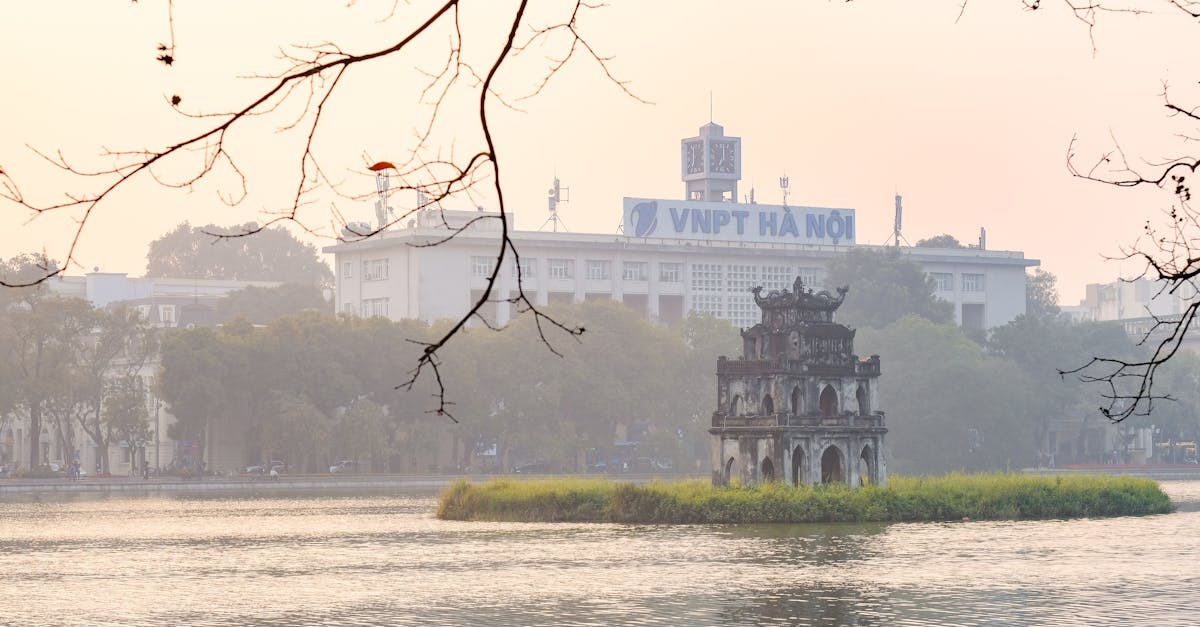
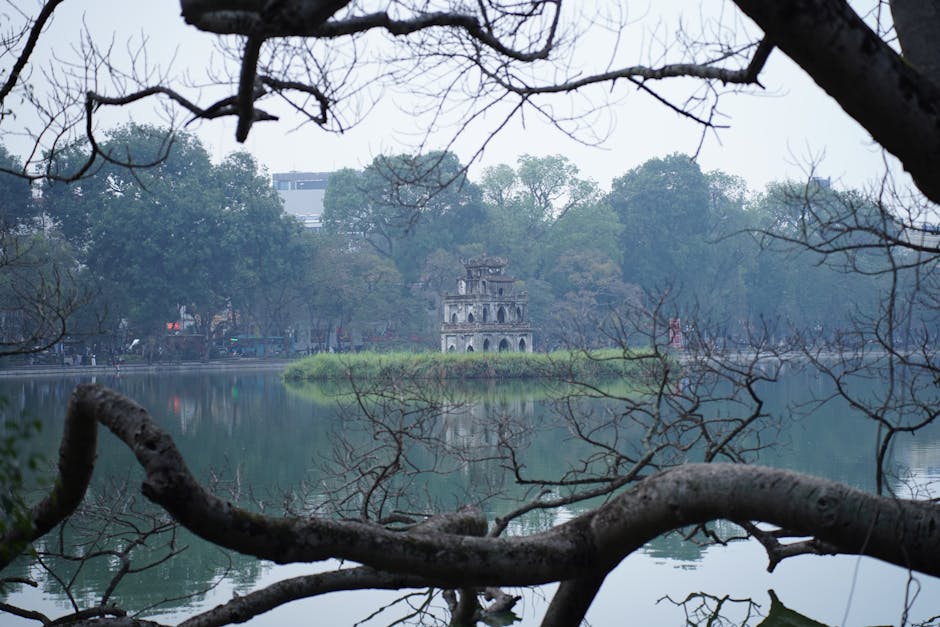
Hanoi, the vibrant capital of Vietnam , is a city that seamlessly blends history, culture, and modernity. From its rich colonial architecture to the bustling streets filled with motorbikes, Hanoi offers a sensory overload that captivates travelers. The city is steeped in history, with remnants of its past visible in the Old Quarter’s narrow streets and the iconic Hoan Kiem Lake, which is believed to house a magical turtle. As you stroll through the city, you’ll encounter ancient temples and pagodas, like the Temple of Literature, which dates back to 1070 and is dedicated to Confucius.
Beyond its historical significance, Hanoi is a culinary paradise. The city is famous for its street food, where you can indulge in local delicacies like pho and banh mi. The lively markets and food stalls create an inviting atmosphere, making it easy to savor the authentic flavors of Vietnam. Whether you’re a history buff, a food lover, or an adventure seeker, Hanoi has something special to offer everyone.
Best Time to Visit Hanoi#
Hanoi experiences four distinct seasons, each with its own charm.
Spring (March to April): This is one of the best times to visit, with pleasant temperatures ranging from 60°F to 75°F (15°C to 24°C). The city is in bloom, and you can enjoy the vibrant colors of flowers and trees coming back to life. Crowds are moderate, making it a great time for sightseeing.
Summer (May to August): Hanoi can get quite hot and humid during the summer months, with temperatures often exceeding 90°F (32°C). Rainfall is common, especially in July and August. While this is the peak tourist season, the heat can deter some travelers, leading to fluctuating prices in accommodation.
Autumn (September to November): Another ideal time to visit, with cooler temperatures averaging 70°F to 80°F (21°C to 27°C) and less rainfall. The city is less crowded compared to summer, and the autumn foliage adds a beautiful touch to the scenery.
Winter (December to February): Winters in Hanoi are cool and dry, with temperatures dropping to around 50°F (10°C). While it can be chilly, this season offers a unique experience, and fewer tourists mean you can enjoy attractions with minimal wait times. Just be sure to pack a warm jacket!
Where to Stay in Hanoi#
Hanoi offers a variety of neighborhoods catering to different budgets and preferences.
Old Quarter (Budget): This historic area is perfect for backpackers and budget travelers. The narrow streets are lined with guesthouses and hostels, making it easy to find affordable accommodation. Staying here places you right in the heart of the action, close to street food stalls and local markets.
Hoan Kiem (Mid-Range): The Hoan Kiem area is ideal for those seeking comfort without breaking the bank. Here, you can find boutique hotels and charming guesthouses that offer a mix of traditional and modern amenities. Proximity to attractions like Hoan Kiem Lake and the Opera House makes this a convenient choice.
Tay Ho (Luxury): For a more upscale experience, consider the Tay Ho neighborhood, which is known for its serene atmosphere and beautiful lakeside views. This area features luxury hotels and high-end resorts, perfect for travelers looking to indulge in comfort and relaxation.
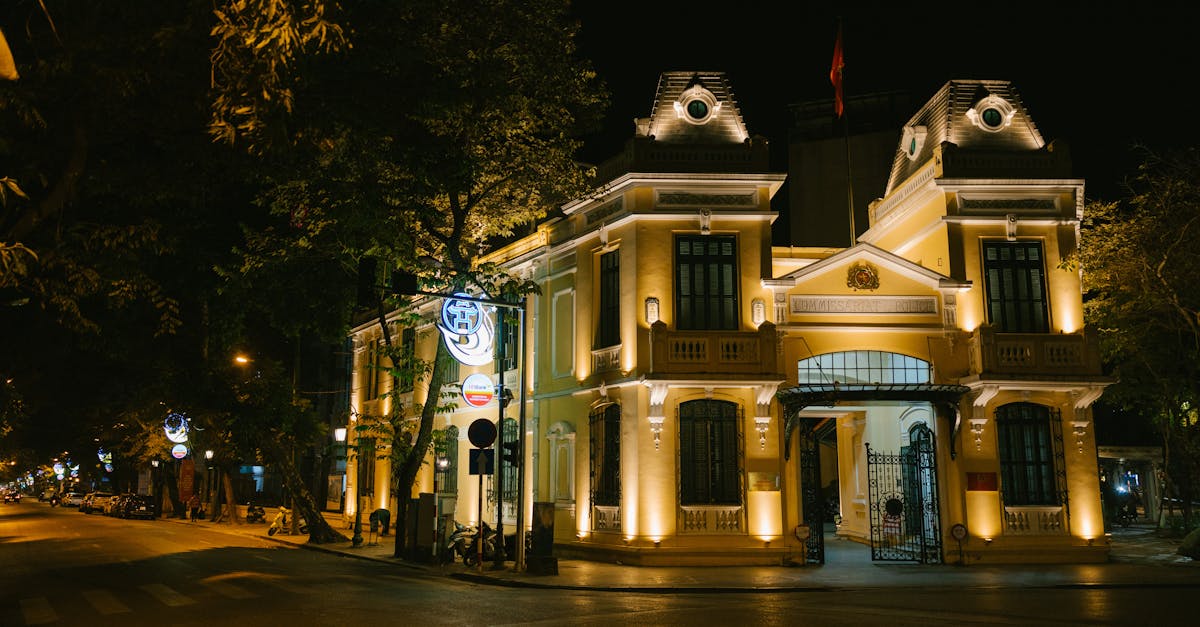
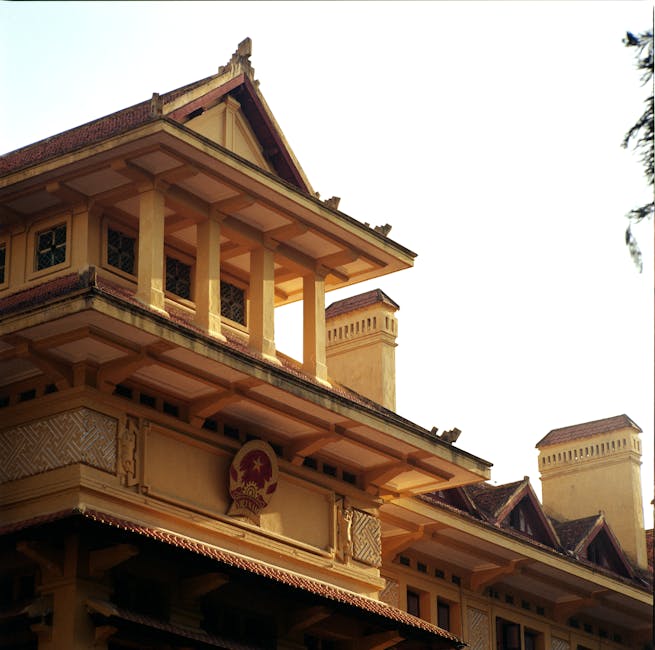
French Quarter (Mid-Range to Luxury): This area boasts stunning colonial architecture and is home to several embassies and government buildings. You’ll find a range of accommodation options, from charming boutique hotels to luxurious stays, all within walking distance of cultural landmarks.
Top Things to Do in Hanoi#
Explore the Old Quarter: Wander through the maze-like streets of the Old Quarter, where each street specializes in a specific trade. Experience the vibrant atmosphere filled with shops, cafes, and street food vendors.
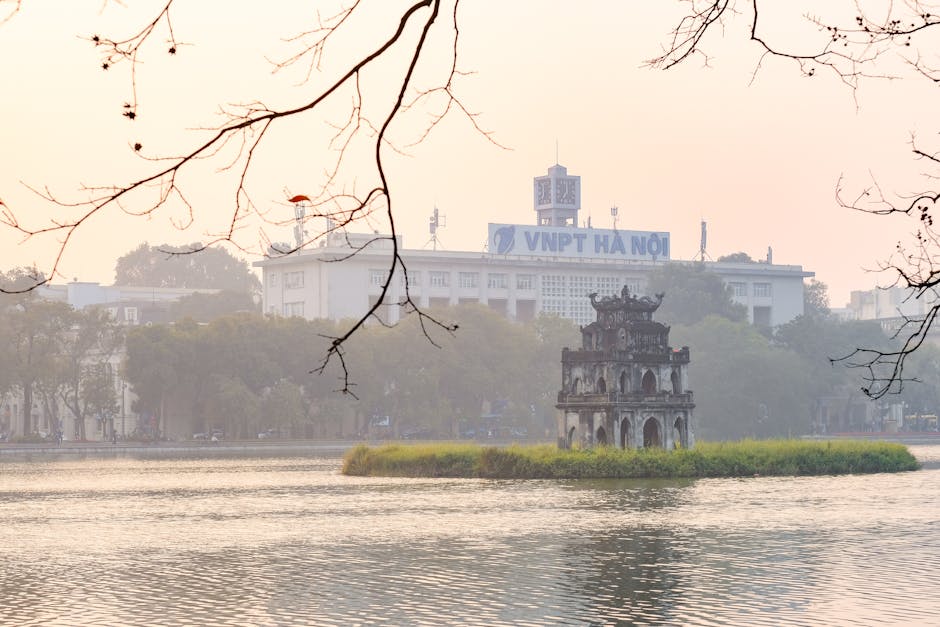
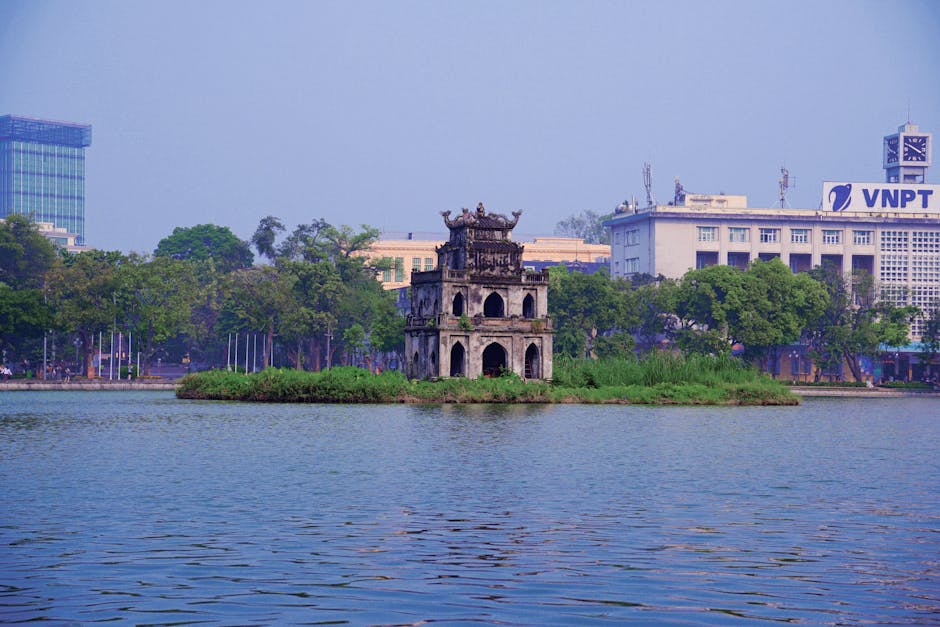
Visit Hoan Kiem Lake: A picturesque spot in the heart of the city, Hoan Kiem Lake is perfect for a leisurely stroll. Don’t miss the iconic Ngoc Son Temple located on an island in the lake.
Discover the Temple of Literature: This Confucian temple is not only a stunning architectural site but also Vietnam’s first national university. It’s a peaceful haven where you can learn about the country’s educational history.
Tour the Ho Chi Minh Mausoleum: Pay your respects at the final resting place of Vietnam’s revolutionary leader. The mausoleum is surrounded by lush gardens and significant historical buildings.
Sample Local Food at Street Stalls: Experience the city’s culinary scene by trying street food. Look for stalls serving pho, banh mi, and bun cha for an authentic taste of Hanoi.
Visit the Vietnam Museum of Ethnology: This museum offers insight into the diverse cultures of Vietnam’s ethnic groups. The outdoor exhibits featuring traditional houses are a highlight.
Take a Cooking Class: Immerse yourself in Vietnamese culture by learning to cook traditional dishes. Many classes include a market tour to gather fresh ingredients.
Stroll Through the French Quarter: Admire the colonial architecture and visit the famous Opera House. This area is also home to several art galleries and cafes.
Explore the Hoa Lo Prison: Also known as the “Hanoi Hilton,” this historic site provides a glimpse into the country’s tumultuous past, including the Vietnam War.
Enjoy a Water Puppet Show: This unique form of traditional Vietnamese entertainment features puppets performing on water. It’s a delightful experience that showcases Vietnamese folklore.
Food and Dining Guide#
Hanoi’s culinary landscape is a treasure trove of flavors. The city is famed for its street food, where you can find vendors serving up delicious dishes at affordable prices.
Must-Try Dishes:
Pho: This iconic noodle soup is a must-try. Made with beef or chicken, fresh herbs, and rice noodles, pho is a staple in Hanoi.
Banh Mi: A Vietnamese sandwich that combines a crispy baguette with various fillings, including meats, vegetables, and sauces.
Bun Cha: A local specialty consisting of grilled pork served with rice noodles and fresh herbs, often accompanied by a side of dipping sauce.
Cha Ca: A unique dish featuring grilled fish marinated with turmeric and served with fresh herbs and rice noodles.
Egg Coffee: A local beverage made from whipped egg yolks, sugar, and condensed milk, creating a creamy and indulgent treat.
For a more formal dining experience, consider visiting local restaurants that specialize in Vietnamese cuisine. Many offer a cozy ambiance and a diverse menu, allowing you to explore the flavors of the region.
Getting Around Hanoi#
Navigating Hanoi is relatively easy, thanks to its efficient public transportation system.
Public Transit: The city has a bus system that covers most areas, and it’s an affordable way to get around. Buses are usually crowded, so be prepared during peak hours.
Taxis and Ride-Sharing: Taxis are widely available, but it’s essential to use reputable companies or ride-sharing apps to avoid being overcharged.
Walking: Many of Hanoi’s attractions are within walking distance of each other, especially in the Old Quarter. Strolling through the streets allows you to soak in the atmosphere and discover hidden gems.
Motorbike Rentals: For the adventurous traveler, renting a motorbike can be a thrilling way to explore the city. However, be cautious, as traffic can be chaotic, and ensure you have the proper license and insurance.
Rental Cars: While renting a car is possible, it’s not recommended due to the heavy traffic and complex road rules. Instead, consider hiring a driver for a more comfortable experience.
Budget Breakdown#
When planning your trip to Hanoi, it’s essential to consider your budget. Here’s a rough estimate of daily expenses:
Budget Travelers: Expect to spend around $30-50 per day. This includes dormitory accommodation, street food meals, and public transportation.
Mid-Range Travelers: A budget of $70-150 per day will allow for comfortable accommodation, meals at local restaurants, and entrance fees to attractions.
Luxury Travelers: If you prefer luxury, a budget of $200+ per day will cover upscale accommodation, fine dining experiences, and private transportation.
Travel Tips for Hanoi#
Safety: Hanoi is generally safe, but be aware of your surroundings, especially in crowded areas. Keep your belongings secure and avoid displaying valuables.
Tipping: Tipping is not mandatory but appreciated. Leave small change at restaurants or round up taxi fares.
Language: While Vietnamese is the national language, many people in the tourism industry speak English. Learning a few basic Vietnamese phrases can enhance your experience.
SIM Cards: Consider purchasing a local SIM card upon arrival for affordable data and calls. Many convenience stores offer prepaid options.
Scams to Avoid: Be cautious of overly friendly locals offering unsolicited help, as they may have ulterior motives. Always agree on prices before taking a taxi or purchasing goods.
Respect Local Customs: Dress modestly when visiting temples and religious sites. Always remove your shoes before entering homes and certain establishments.
Stay Hydrated: The heat and humidity can be intense, so drink plenty of water, especially if you’re exploring during the day.
Hanoi is a city that invites exploration, offering a unique blend of history, culture, and culinary delights. If you’re also considering a trip to Hoi An, Vietnam or even a quick getaway to Palawan, Philippines , you’ll find that Southeast Asia is brimming with unforgettable experiences. Enjoy your adventure in this captivating city!