📌 Disclaimer
Prices, schedules, tour details, flight routes, visa requirements, and all other information on this page are based on data at the time of writing. Fares, availability, and policies may change. Please verify current details on the official website before booking.
Why Visit Kyoto ?#
Kyoto, with its enchanting blend of ancient tradition and modern vibrancy, stands as a must-visit destination in Japan . Once the imperial capital, it boasts over 1,600 temples, stunning shrines, and historic districts that transport you back in time. The city’s rich cultural heritage is palpable, whether you’re wandering through the serene Arashiyama Bamboo Grove or admiring the intricate architecture of Kinkaku-ji, the Golden Pavilion. Kyoto isn’t just about sights; it’s a feast for the senses, offering an authentic glimpse into Japan’s past that feels both timeless and cherished.
But Kyoto is more than just its historic sites. The city is a living canvas of art, with seasonal festivals, traditional tea ceremonies, and the delicate craft of kintsugi (the art of repairing pottery with gold). The cherry blossoms in spring and vibrant maple leaves in autumn create a picturesque backdrop that attracts visitors from around the globe. If you’re seeking a destination that balances tranquility with cultural richness, Kyoto is undoubtedly worth the journey.
Best Time to Visit Kyoto#
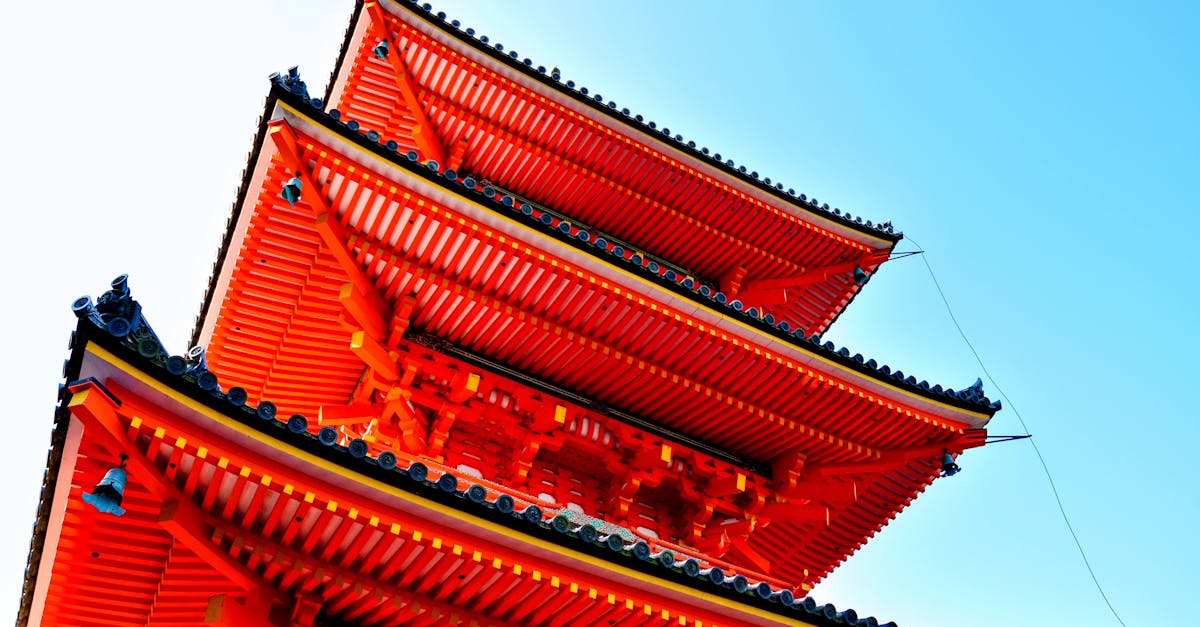
Kyoto’s climate varies significantly throughout the year, making certain months more appealing than others.
Spring (March to May): Spring is arguably the most beautiful time to visit, especially during cherry blossom season in late March to early April. The weather is mild, with temperatures ranging from 50°F to 70°F, and the city is awash in pink and white blooms. However, be prepared for larger crowds as tourists flock to see the sakura.
Summer (June to August): Summer can be hot and humid, with temperatures often exceeding 80°F. June marks the start of the rainy season, so expect occasional showers. While this season offers vibrant festivals, like the Gion Matsuri in July, it may not be the most comfortable time for sightseeing due to the heat and humidity.
Autumn (September to November): Autumn is another peak season, particularly in late October to early November when the foliage turns brilliant shades of red and gold. With comfortable temperatures averaging from 55°F to 75°F, it’s a perfect time for outdoor activities and exploring the city’s gardens.
Winter (December to February): Winter in Kyoto is relatively cold, with temperatures ranging from 30°F to 50°F. While this season sees fewer crowds, you can enjoy the unique experience of seeing temples dusted with snow. If you’re a fan of winter festivals, the Jidai Matsuri (Festival of Ages) in October is a highlight, though it’s worth noting the lower tourist traffic during these months can lead to a more intimate experience.
Where to Stay in Kyoto#
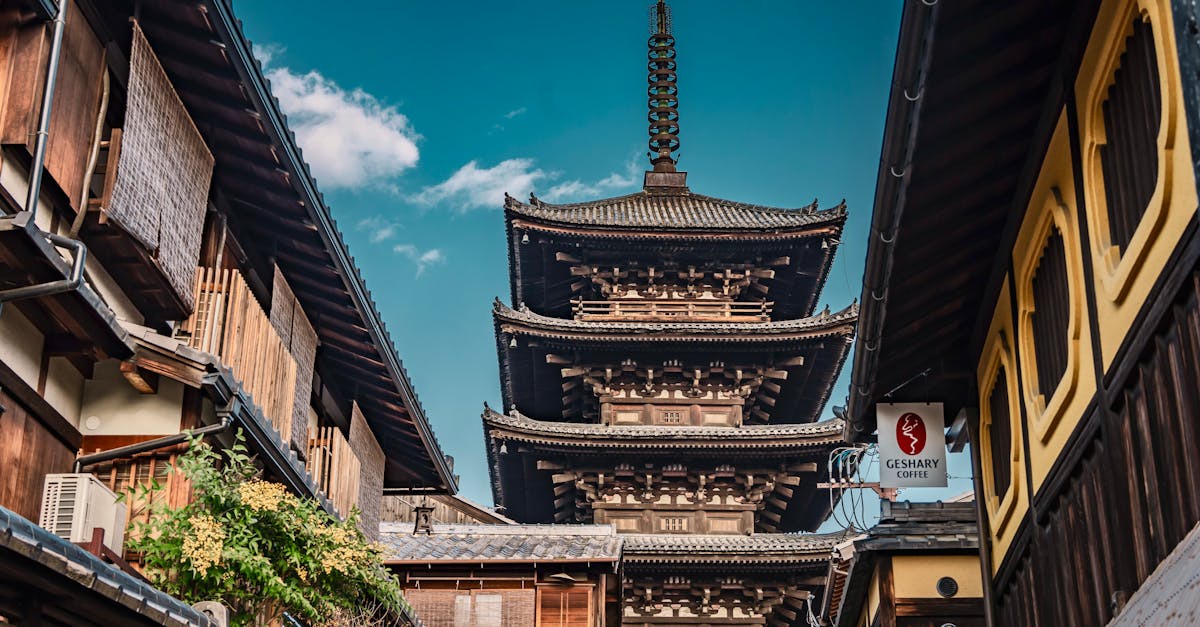
When it comes to accommodations in Kyoto, there are options for every budget. Here’s a breakdown of some neighborhood recommendations:
Budget: Look for hostels or guesthouses in areas like Gion or near Kyoto Station. These places typically offer dormitory-style rooms or small private rooms starting around $30-50 per night. Staying close to public transport is key for budget travelers.
Mid-Range: The Higashiyama district is a great choice for mid-range travelers. This area is rich in history and offers a range of boutique hotels and ryokans (traditional inns) where you can experience Japanese hospitality. Expect to pay between $100-200 per night for a comfortable stay.
Luxury: If you’re looking for a more luxurious experience, consider the northern part of Kyoto, where you can find upscale hotels and ryokans with stunning views of the mountains and gardens. Prices for these accommodations typically start around $300 and can go much higher depending on the amenities and services offered.
Top Things to Do in Kyoto#
Kinkaku-ji (Golden Pavilion): This iconic Zen temple is covered in gold leaf and surrounded by beautiful gardens, making it one of Kyoto’s most photographed sites.
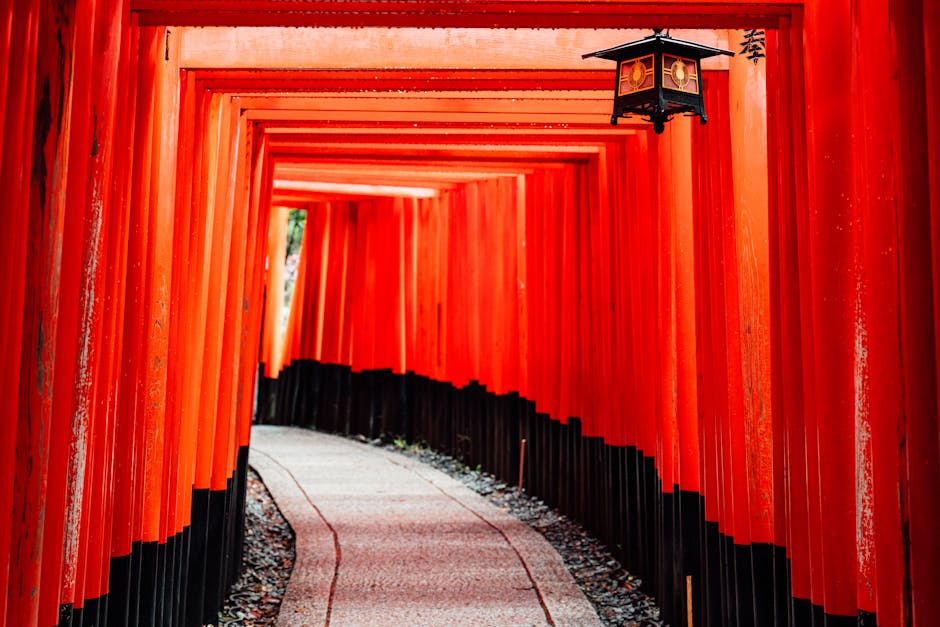
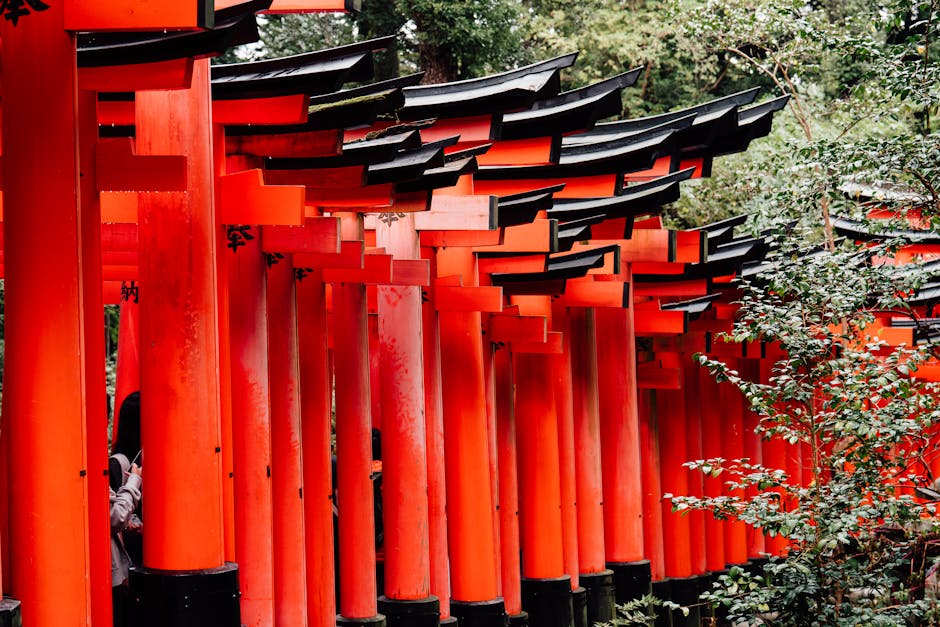
Fushimi Inari Taisha: Famous for its thousands of vermillion torii gates, this shrine dedicated to the Shinto god of rice offers stunning hikes through the hills behind it.
Arashiyama Bamboo Grove: A magical experience awaits as you stroll through towering bamboo stalks, creating a serene atmosphere perfect for a peaceful escape.
Kiyomizu-dera: This historic temple, known for its wooden stage that juts out over the hillside, provides breathtaking views of the city, especially during cherry blossom and autumn leaf seasons.
Nijo Castle: A UNESCO World Heritage site, this castle features stunning gardens and the famous “nightingale floors,” which chirp when walked upon to alert against intruders.
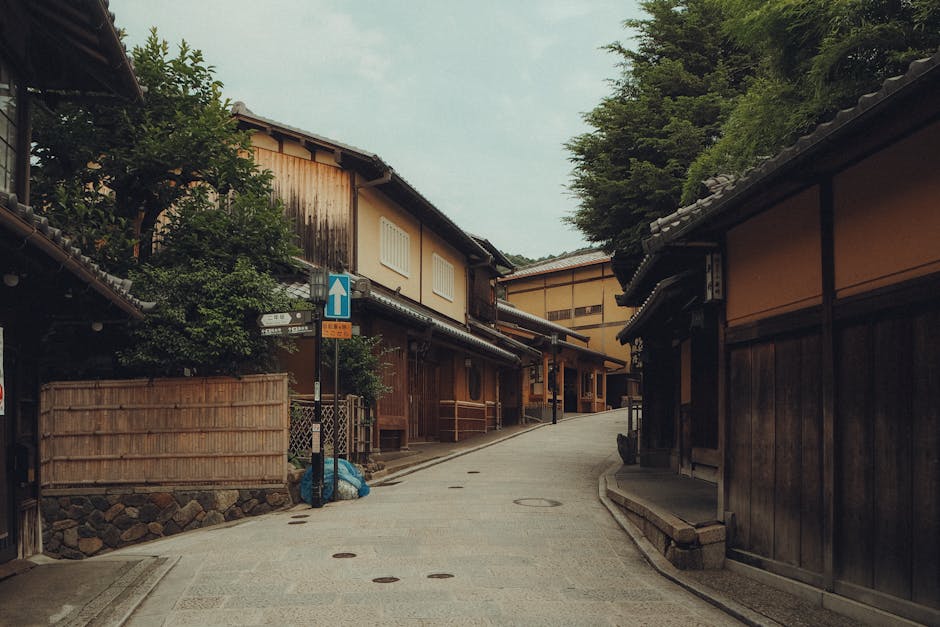
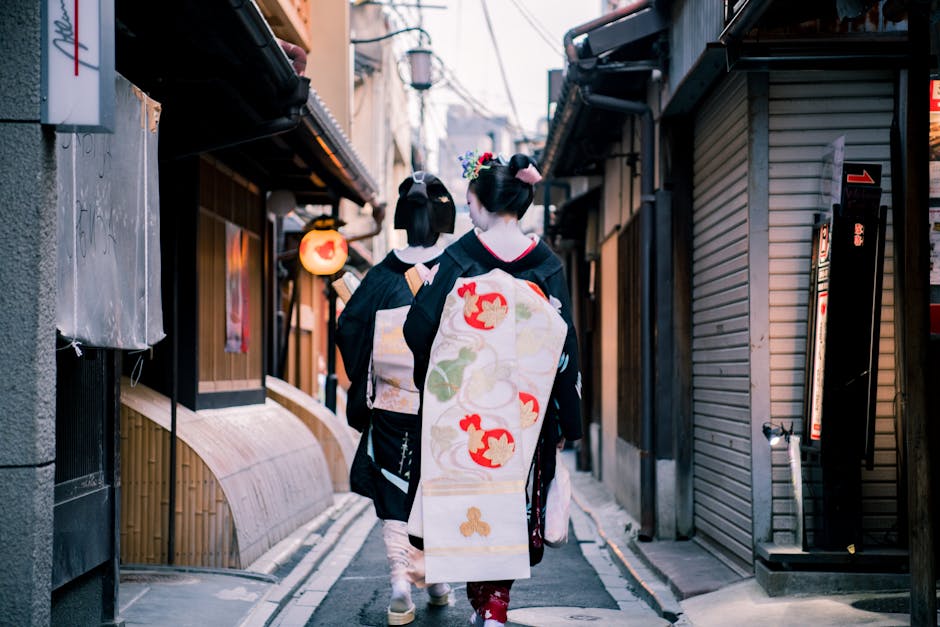
Gion District: Known for its traditional wooden machiya houses, Gion is the heart of Kyoto’s geisha culture. Stroll the streets in the evening and keep an eye out for geishas heading to appointments.
Philosopher’s Path: This picturesque canal-side walkway lined with cherry trees is ideal for a leisurely stroll, especially beautiful in spring and autumn.
Tea Ceremony Experience: Participate in a traditional Japanese tea ceremony, where you can learn the art of tea preparation and enjoy matcha in a serene setting.
Nanzen-ji Temple: A sprawling complex with beautiful gardens and impressive architecture, this temple offers a more tranquil experience compared to some of the busier tourist spots.
Kyoto Tower: For a panoramic view of the city and surrounding mountains, head to Kyoto Tower. It’s particularly stunning at sunset.
If you’re also considering a trip to Kuala Lumpur, Malaysia , check out our guide for some exciting contrasts to your Kyoto experience.
Food and Dining Guide#
Kyoto’s culinary scene is as rich as its history, with an emphasis on seasonal ingredients and traditional techniques. Here are some local cuisine highlights you can’t miss:
Kaiseki: This multi-course dining experience showcases the best of Japanese cuisine with beautifully presented dishes that reflect the seasons. It’s a true culinary art form and a must-try while in Kyoto.
Yudofu: A simple yet delicious dish featuring tofu simmered in a light broth, often served with dipping sauces. It’s a staple in Kyoto’s Buddhist cuisine and perfect for a light meal.
Nishiki Market: Explore this bustling market for a taste of local street food, from grilled seafood skewers to sweet treats like yatsuhashi (cinnamon rice snacks).
Matcha Sweets: Kyoto is famous for its matcha (green tea) products, so be sure to try matcha ice cream, cakes, or even matcha-flavored mochi while you’re here.
Obanzai: This traditional home-cooked style of food features a variety of small dishes made from seasonal ingredients, offering a great way to sample multiple flavors.
When dining out, local izakayas (Japanese pubs) offer a friendly atmosphere to enjoy casual meals, while upscale restaurants can be found in the Gion district for a more refined experience.
Getting Around Kyoto#
Kyoto’s public transportation system is efficient and visitor-friendly, making it easy to navigate the city.
Public Transit: The city is well-connected by buses and trains. The Kyoto City Bus system covers most tourist attractions, and a day pass can be a cost-effective option for unlimited rides. The subway is also a good choice for longer distances.
Bicycles: Renting a bike is a popular way to explore Kyoto, especially in areas like Arashiyama. Many rental shops offer affordable rates, and cycling allows you to see the city at your own pace.
Walking: Many of Kyoto’s key attractions are within walking distance of each other, especially in the central areas. Walking allows you to soak in the charming streets and hidden gems.
Taxis: While taxis are available, they can be pricey compared to public transport. Use them sparingly or for late-night returns when public transport options are limited.
Rental Cars: Renting a car is generally not recommended for Kyoto itself due to heavy traffic and limited parking. However, it can be useful if you plan to visit nearby attractions outside the city.
Budget Breakdown#
When planning your trip to Kyoto, it’s essential to consider your daily budget. Here’s a rough estimate based on different travel styles:
Budget Travelers: Expect to spend around $60-100 per day. This includes accommodation at budget hostels, affordable street food, and public transit.
Mid-Range Travelers: A budget of $150-250 per day is reasonable. This allows for mid-range accommodations, dining at local restaurants, and entrance fees to attractions.
Luxury Travelers: If you prefer luxury, budget around $300-600 per day. This includes upscale accommodations, fine dining experiences, and guided tours.
Travel Tips for Kyoto#
Safety: Kyoto is known for being safe, even at night. However, always stay aware of your surroundings and take standard precautions.
Tipping: Tipping is not customary in Japan and can even be considered rude. Instead, show appreciation through polite words and gestures.
Language: While many signs are in English, learning a few basic Japanese phrases can enhance your experience and show respect for the culture.
SIM Cards: Consider purchasing a local SIM card or portable Wi-Fi device upon arrival for easy internet access throughout your trip.
Cash is King: While credit cards are accepted in many places, smaller shops and restaurants may only take cash. Keep some yen on hand for convenience.
Scams: Be cautious of overly friendly strangers offering unsolicited help, as they may be trying to lead you to shops with inflated prices. Trust your instincts and stick to reputable establishments.
Etiquette: Familiarize yourself with local customs, such as removing shoes before entering homes or certain traditional accommodations, and being quiet and respectful in temples.
Whether you’re drawn by the lure of ancient temples, the beauty of nature, or the delicious cuisine, Kyoto offers an unforgettable experience for American travelers. With thoughtful planning and a spirit of adventure, your visit to this captivating city will surely be worth it. If you’re also considering a trip to Kathmandu, Nepal , you’ll find a whole different world waiting for you!