📌 Disclaimer
Prices, schedules, tour details, flight routes, visa requirements, and all other information on this page are based on data at the time of writing. Fares, availability, and policies may change. Please verify current details on the official website before booking.
Photo by Wyatt Simpson on Unsplash
Why Visit Rome ?#
Rome, the Eternal City, is a treasure trove of history, culture, and culinary delights. From the ancient ruins of the Colosseum to the stunning art in the Vatican, Rome offers a unique blend of the old and the new. Every cobblestone street tells a story, and every piazza invites you to pause and soak in the vibrant atmosphere. As you wander through the city, you’ll find yourself captivated by the intricate architecture, the rich history, and the warmth of the Italian people.
What truly makes Rome special is its timelessness. The city has been a center of power, culture, and religion for centuries, and it continues to be a magnet for travelers from around the globe. Whether you’re a history buff, an art lover, or a foodie, Rome has something for everyone. The bustling markets, charming cafes, and iconic landmarks create a lively ambiance that is hard to resist. Plus, the city’s rich traditions and festivals offer a glimpse into the Italian way of life that you simply can’t miss.
Best Time to Visit Rome#
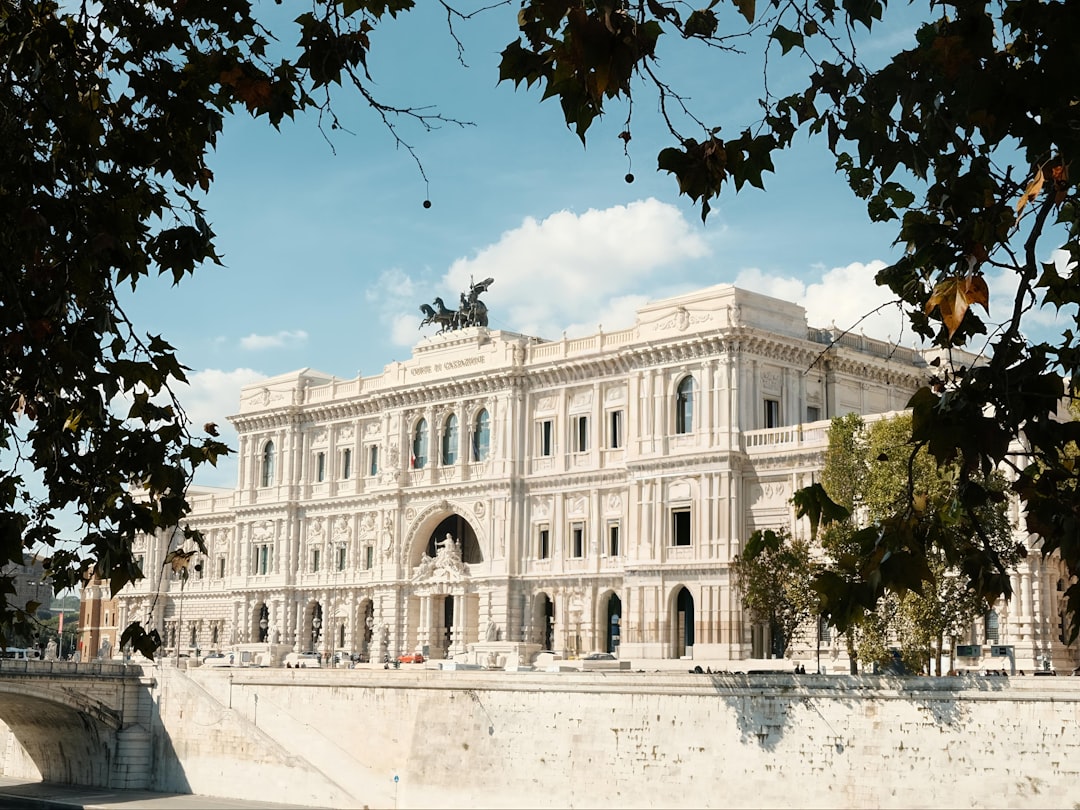
When planning your trip to Rome, timing is everything. The best time to visit largely depends on your preferences for weather, crowds, and pricing.
Spring (March to May): Spring is one of the most popular times to visit Rome. Temperatures are mild, ranging from the low 50s to the mid-70s°F, making it perfect for outdoor exploration. The crowds begin to swell, especially in April and May, leading up to the busy summer season. If you can visit in March or early April, you’ll find a more pleasant experience and lower prices.
Summer (June to August): Summer is peak tourist season in Rome, with temperatures often soaring into the high 80s and low 90s°F. While the city buzzes with energy, you’ll also encounter large crowds at major attractions, and hotel prices can skyrocket. If you choose to visit during this time, be prepared for the heat and consider planning sightseeing for early mornings or late afternoons.
Fall (September to November): Fall is another fantastic time to visit Rome, especially September and October. The weather begins to cool down, with temperatures ranging from the mid-60s to the low 80s°F, and the summer crowds start to dissipate. Prices for accommodations also tend to drop, making it a great time for budget-conscious travelers.
Winter (December to February): Winter in Rome is mild compared to many other European cities, with temperatures usually ranging from the mid-40s to mid-60s°F. While you may encounter some rain, the city is less crowded, and hotel prices are at their lowest. The festive holiday decorations add a magical touch, especially around Christmas, making it a charming time to explore.
Where to Stay in Rome#
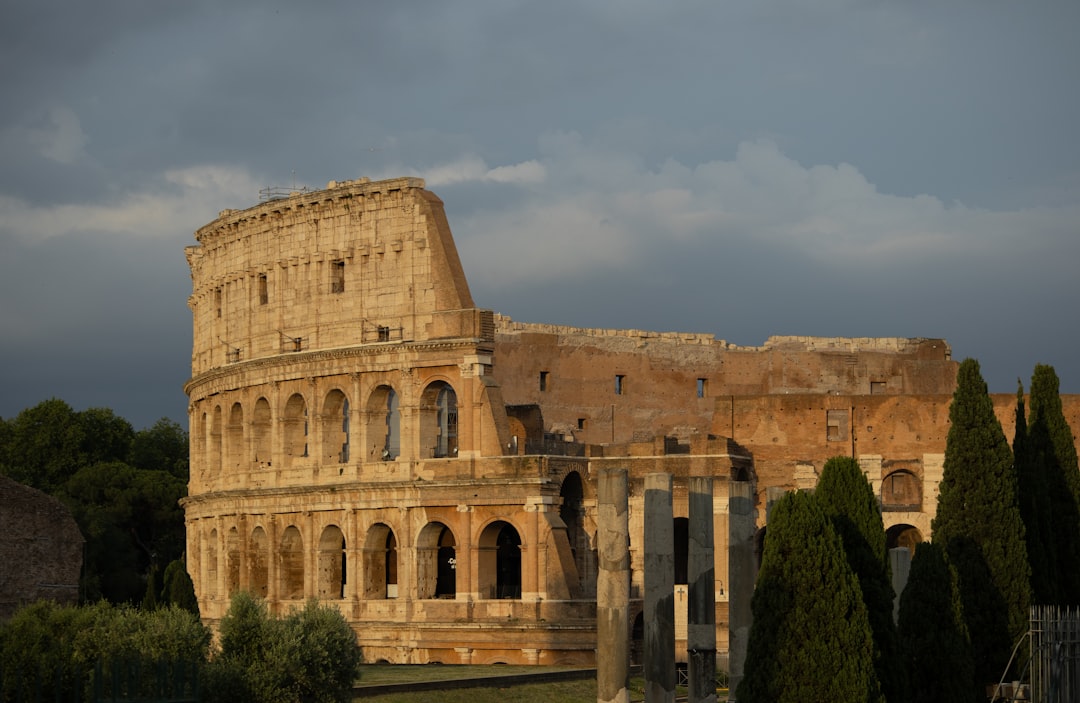
Finding the right neighborhood to stay in can enhance your Rome experience. Here are some recommendations across different budget tiers:
Budget: Look for accommodations in areas like Trastevere or Testaccio. These neighborhoods offer a lively atmosphere with a mix of locals and travelers, and budget hotels typically start around $30-50/night. You’ll find charming guesthouses and hostels that provide a great base for exploring.
Mid-Range: Consider neighborhoods like Monti or the area near the Vatican. Monti is known for its trendy vibe, with boutique shops and restaurants, while the Vatican area offers convenience for those wanting to explore St. Peter’s Basilica and the Vatican Museums. Mid-range hotels typically range from $100-200/night.
Luxury: For a luxurious stay, look towards the Spanish Steps or the area around Piazza Navona. These prime locations are close to some of Rome’s most famous attractions, and luxury accommodations often provide stunning views and exceptional service. Prices for luxury hotels usually start around $250/night and can go much higher.
Top Things to Do in Rome#
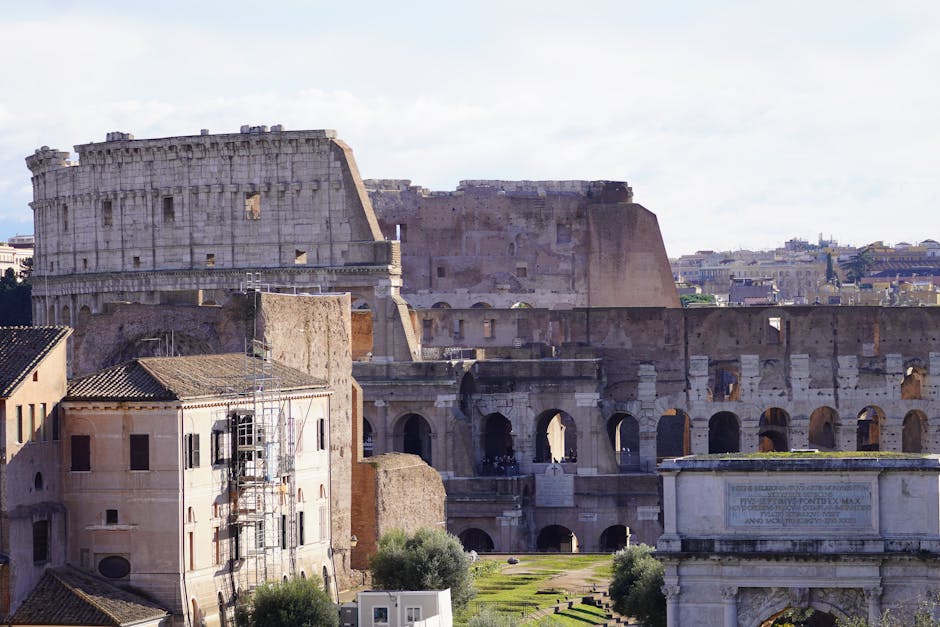
Rome is packed with must-see attractions and hidden gems. Here are some highlights that cater to all interests:
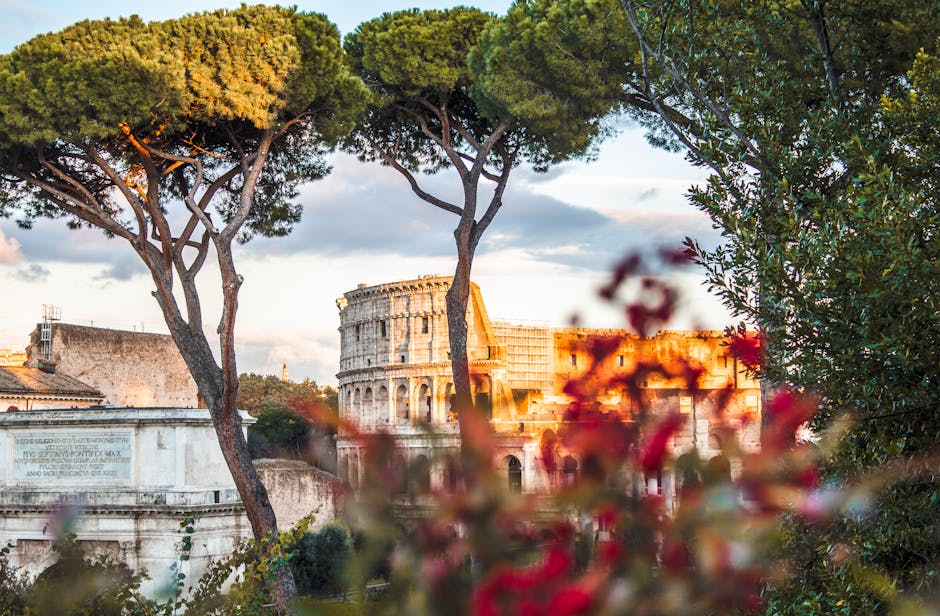
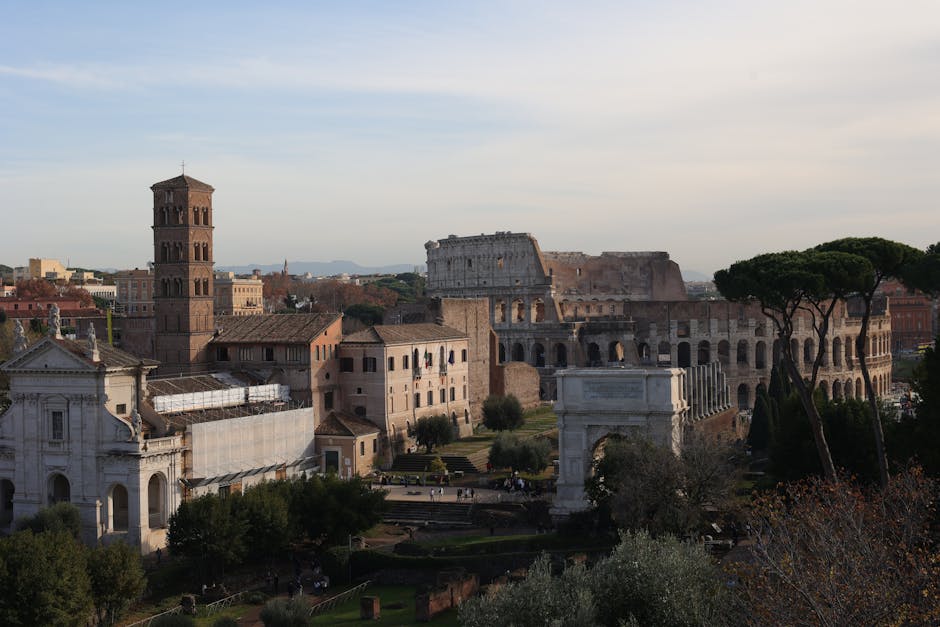
The Colosseum: This iconic amphitheater is a symbol of ancient Rome. Explore its massive structure and imagine the gladiatorial battles that once took place here.
The Vatican Museums and Sistine Chapel: Home to some of the world’s most famous art, including Michelangelo’s Sistine Chapel ceiling, the Vatican Museums are a must-visit for art lovers.
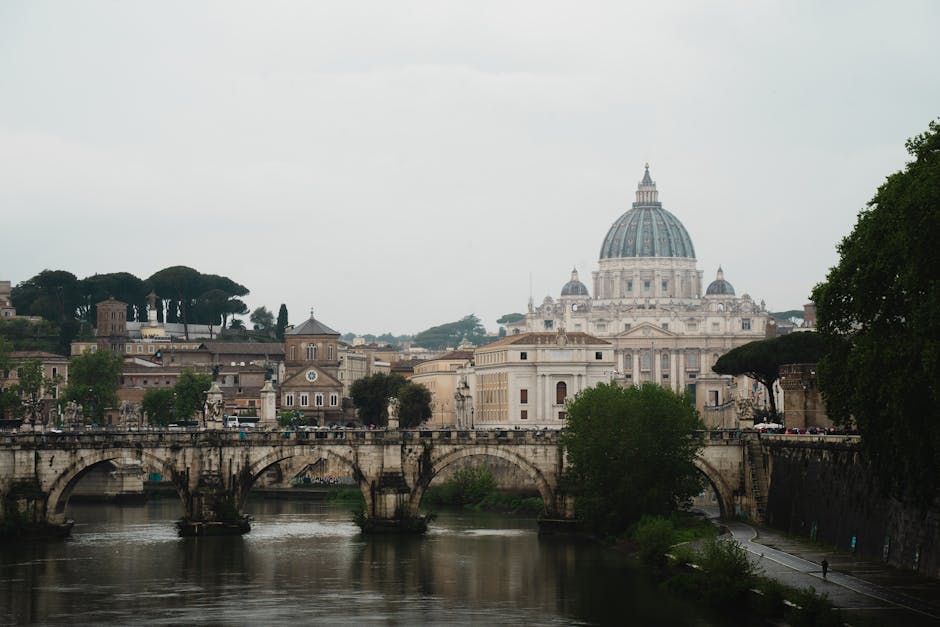
St. Peter’s Basilica: This stunning basilica is the largest church in the world. Climb to the dome for breathtaking views of the city.
Roman Forum: Walk through the heart of ancient Rome, where you can see the ruins of temples, markets, and government buildings. It’s a fascinating glimpse into the past.
Piazza Navona: This beautiful square is lined with cafes and features stunning fountains, including Bernini’s Fountain of the Four Rivers. It’s a perfect spot to relax and people-watch.
Trevi Fountain: Toss a coin into this baroque masterpiece to ensure your return to Rome. Visit early in the morning or late at night to avoid crowds.
Trastevere: Explore this charming neighborhood known for its narrow cobblestone streets, vibrant nightlife, and authentic Roman restaurants. It’s a great place to experience local culture.
Galleria Borghese: This gallery houses an impressive collection of art, including works by Caravaggio and Bernini. The surrounding gardens are also worth a stroll.
Appian Way (Via Appia Antica): Rent a bike and ride along this ancient road lined with ruins and tombs. It’s a quieter escape from the bustling city.
Campo de’ Fiori: Visit this lively market in the morning for fresh produce and local delicacies. It transforms into a vibrant square in the evening, perfect for dinner and drinks.
Food and Dining Guide#
Italian cuisine is a highlight of any trip to Rome. The city offers a diverse range of dining options, from street food to fine dining.
Must-Try Dishes:
- Cacio e Pepe: A simple yet delicious pasta dish made with cheese and pepper. It’s a Roman classic that you can find in many trattorias.
- Carbonara: Another pasta favorite made with eggs, cheese, pancetta, and black pepper. Each chef has their own twist on this beloved dish.
- Supplì: These fried rice balls filled with mozzarella make for a great snack or appetizer. Look for them in local pizzerias.
- Porchetta: This savory, slow-roasted pork is often served in sandwiches and is a favorite among locals.
- Gelato: No trip to Rome is complete without indulging in authentic Italian gelato. Choose from a variety of flavors at local gelaterias.
When it comes to dining, you can enjoy street food for a quick bite or sit down for a leisurely meal at a restaurant. For a truly local experience, seek out family-run establishments where you can savor traditional recipes and warm hospitality.
Getting Around Rome#
Navigating Rome is relatively easy, thanks to its efficient public transportation system and walkable streets.
Public Transit: Rome has an extensive network of buses, trams, and metro lines that can take you to most attractions. A single ticket is valid for 100 minutes on all forms of public transport, making it a convenient option for tourists.
Walking: Many of Rome’s attractions are within walking distance of each other, especially in the historic center. Strolling through the city allows you to discover hidden gems and local shops along the way.
Taxis: Taxis are available throughout the city and can be a good option for longer distances or late-night travel. Be sure to use official taxis with a meter.
Rental Cars: Renting a car is generally not recommended for exploring Rome, as the city’s narrow streets can be challenging to navigate and parking is limited. However, if you plan to visit the surrounding countryside, a car may be useful.
Budget Breakdown#
Understanding the costs associated with your trip can help you plan effectively. Here’s a rough daily budget estimate for different traveler types:
Budget Travelers: Expect to spend around $70-100 per day. This includes accommodation in hostels or budget hotels, meals at inexpensive restaurants or street food, public transport, and admission to a couple of attractions.
Mid-Range Travelers: A daily budget of $150-250 is typical. This allows for comfortable accommodations, meals at mid-range restaurants, some guided tours, and transportation.
Luxury Travelers: For a more lavish experience, budget $300 and up per day. This includes upscale hotels, fine dining, private tours, and convenient transportation options.
Travel Tips for Rome#
Stay Hydrated: Rome can get hot, especially in summer. Carry a refillable water bottle and take advantage of the city’s many public fountains.
Learn Basic Italian Phrases: While many Romans speak English, knowing a few Italian phrases can enhance your experience and show respect for the culture.
Be Aware of Pickpockets: Like many tourist-heavy cities, Rome has its share of pickpockets. Keep your belongings secure and be cautious in crowded areas.
Respect Local Customs: When visiting churches and religious sites, dress modestly. Cover your shoulders and knees to show respect.
Consider a Roma Pass: If you plan to visit multiple attractions, the Roma Pass can save you money on entrance fees and public transport.
Avoid Tourist Traps: While it’s tempting to dine near major attractions, seek out restaurants a bit further away for better prices and authentic cuisine.
SIM Cards: If you need internet access, consider purchasing a local SIM card for your phone. This can help you navigate the city easily.
Rome is a city that invites exploration, and with this guide, you’re well-equipped to enjoy all that it has to offer. Whether you’re marveling at ancient ruins or savoring gelato in a bustling piazza, your time in Rome is sure to be unforgettable. If you’re also considering a trip to Bruges, Belgium or Copenhagen, Denmark , check out our guides for more travel inspiration!