📌 Disclaimer
Prices, schedules, tour details, flight routes, visa requirements, and all other information on this page are based on data at the time of writing. Fares, availability, and policies may change. Please verify current details on the official website before booking.
Photo by Line Knipst on Pexels
Why Visit Seoul ?#
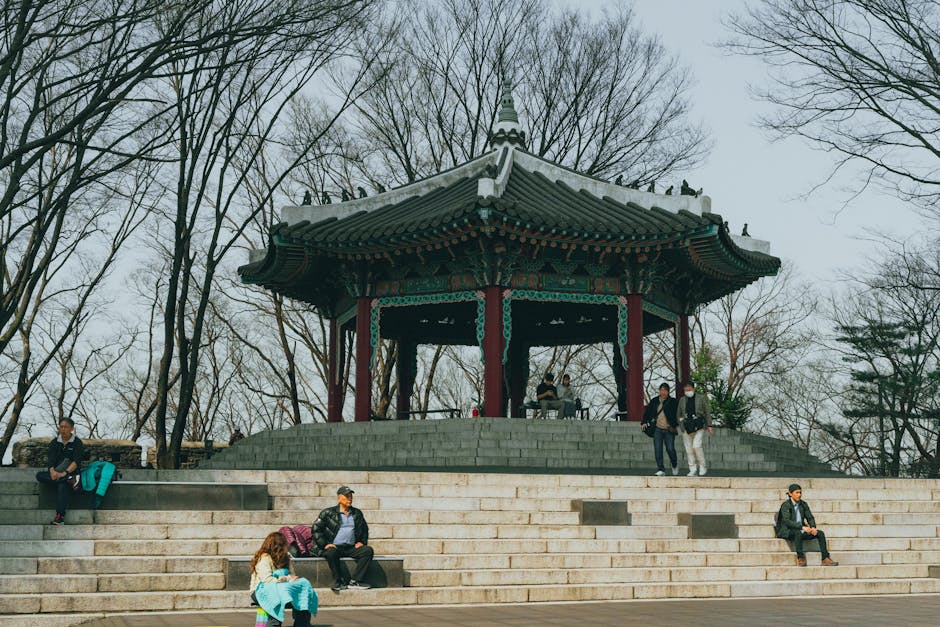
Seoul, South Korea ’s vibrant capital, is a city that beautifully marries tradition with modernity. With its towering skyscrapers, ancient palaces, and bustling markets, Seoul offers a unique experience that captivates travelers from all around the globe. The rich history is palpable as you stroll through Gyeongbokgung Palace, while the lively streets of Myeongdong beckon with a mix of shopping, street food, and neon lights. Whether you’re exploring the serene paths of Namsan Park or diving into the energetic nightlife of Hongdae, Seoul has something for everyone.
What truly sets Seoul apart is its accessibility and affordability, especially for budget-conscious travelers. The city is well-equipped with public transport, making it easy to navigate without the need for a car. Additionally, the cost of living is relatively low compared to many Western cities, allowing you to explore its wonders without breaking the bank. From free attractions to affordable eats, Seoul is a destination that welcomes travelers with open arms and friendly prices.
Best Time to Visit Seoul#
Seoul experiences four distinct seasons, each offering its unique charm, making it a year-round destination.
Spring (March to May): Spring is one of the best times to visit Seoul, with cherry blossoms blooming around early April. The weather is mild, with temperatures ranging from 50°F to 70°F. Crowds are moderate as many tourists flock to see the blossoms, but the vibrant atmosphere is worth it.
Summer (June to August): Summers in Seoul can be hot and humid, with temperatures often exceeding 85°F. While it’s the peak tourist season, prices for accommodations can rise significantly. However, summer also offers numerous festivals and outdoor activities, making it an exciting time to visit if you can handle the heat.
Autumn (September to November): Fall is another fantastic time to explore Seoul, with cooler temperatures ranging from 50°F to 70°F and stunning autumn foliage. The crowds are manageable, and many cultural events take place during this season, making it a great time for budget travelers.
Winter (December to February): Winters can get quite cold, with temperatures often dropping below freezing. However, this season sees fewer tourists, which can lead to lower prices on accommodations and activities. If you enjoy winter sports or are intrigued by the idea of a snowy Seoul, this could be an ideal time for you.
Where to Stay in Seoul#
Finding the right neighborhood to stay in can make all the difference in your travel experience. Here are some recommendations across various budget tiers:
Budget: Areas like Hongdae and Insadong offer affordable guesthouses and hostels. Hongdae is popular for its youthful vibe and vibrant nightlife, while Insadong is known for its traditional culture and art scene.
Mid-Range: Consider staying in the Myeongdong area, which is a shopper’s paradise and offers a range of mid-range hotels. It’s centrally located, making it easy to access various attractions and public transport.
Luxury: For a more upscale experience, look at the areas around Gangnam and the Han River. These neighborhoods are known for their luxury hotels, fine dining, and shopping opportunities, offering a taste of Seoul’s modern lifestyle.
Top Things to Do in Seoul#
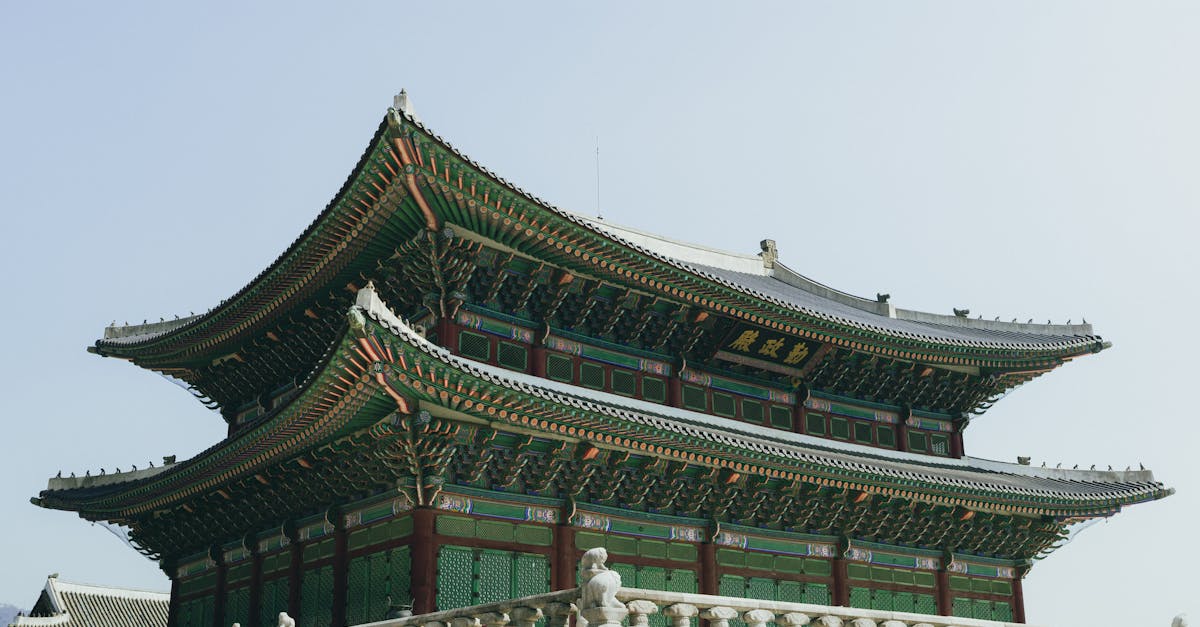
Gyeongbokgung Palace: This iconic palace is a must-visit for its stunning architecture and historical significance. Don’t miss the changing of the guard ceremony.
Bukchon Hanok Village: Wander through this traditional village filled with hanoks (traditional Korean houses) to get a glimpse of Seoul’s past. It’s also a great spot for photos.
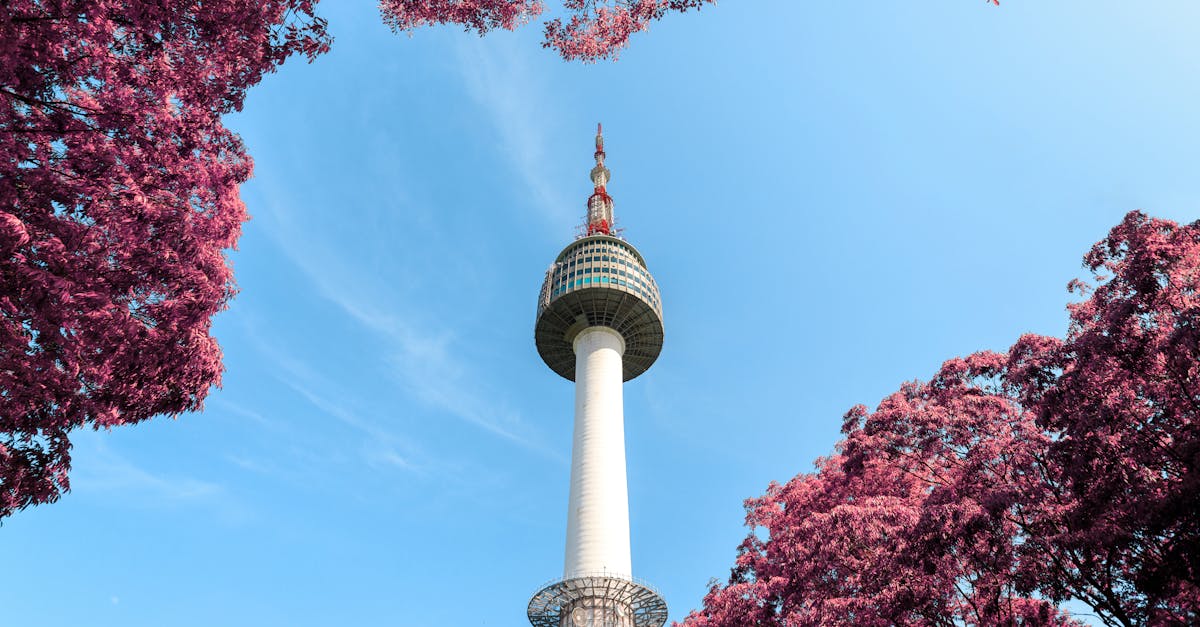
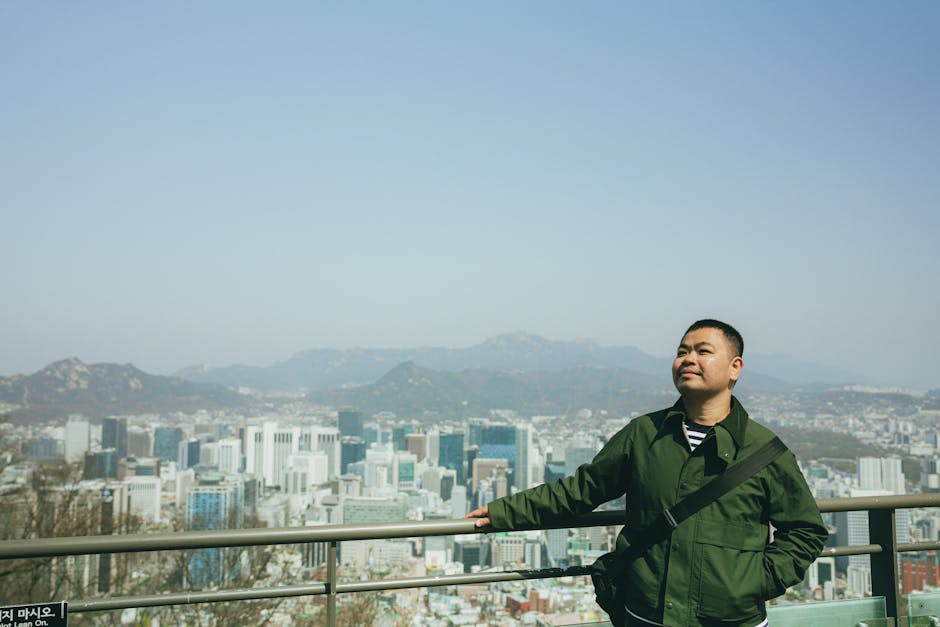
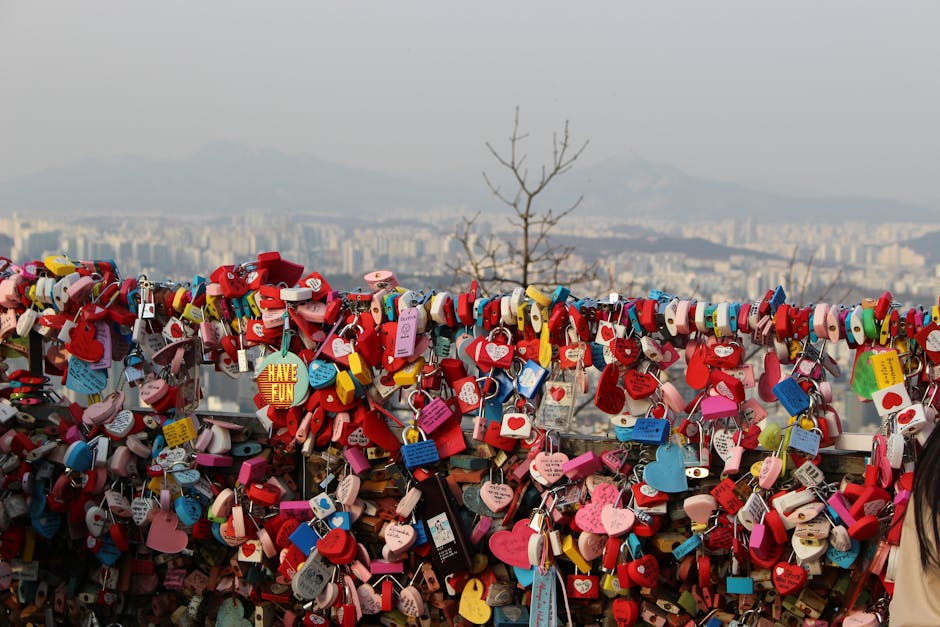
N Seoul Tower: Located atop Namsan Mountain, this tower offers panoramic views of the city. A hike or cable car ride to the top is a rewarding experience.
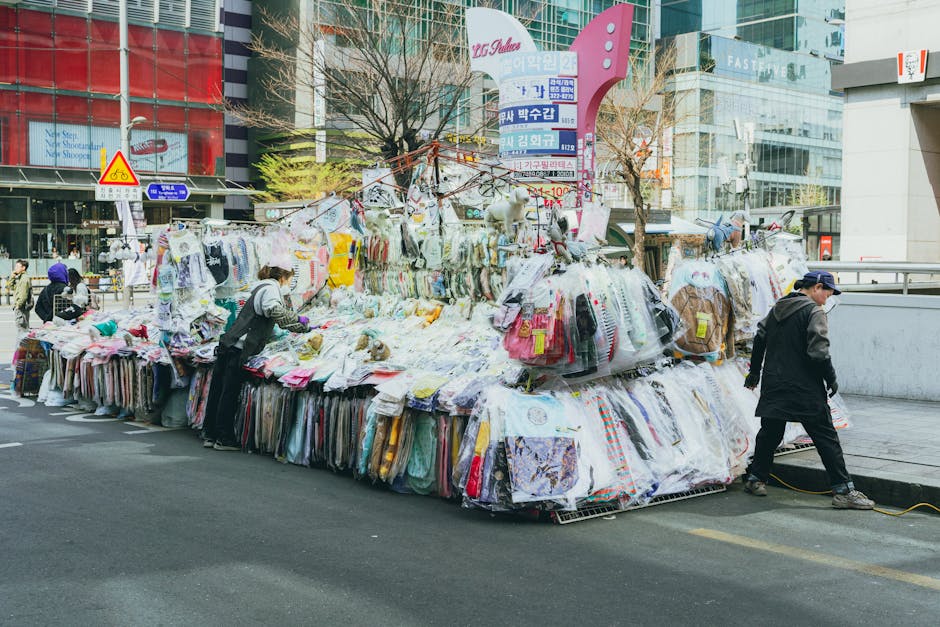
Myeongdong Shopping Street: This bustling area is perfect for shopping and street food. Try the spicy rice cakes and egg bread as you explore the myriad shops.
Dongdaemun Design Plaza: An architectural marvel, this cultural hub hosts exhibitions and events. The surrounding night market is a great place to grab a late-night bite.
Insadong: Known for its arts and crafts, Insadong is the place to find unique souvenirs and traditional tea houses. Make sure to try some local tea while you’re there.
Cheonggyecheon Stream: This restored stream in the heart of the city is perfect for a leisurely walk. It’s particularly beautiful at night when the lights illuminate the water.
Hongdae: Famous for its youthful energy, this neighborhood is full of street performers, cafes, and shops. It’s a great place to experience Seoul’s nightlife and creative scene.
Namdaemun Market: One of the largest traditional markets in Korea, Namdaemun offers everything from clothing to local delicacies at affordable prices.
Lotte World Tower: Visit the tallest building in South Korea for breathtaking views and a shopping mall, aquarium, and more within its walls.
Food and Dining Guide#
Seoul is a food lover’s paradise, boasting a rich culinary heritage. Here are some local cuisine highlights and must-try dishes:
Kimchi: A staple in Korean cuisine, this fermented vegetable dish is served with almost every meal. Be sure to try various types, including cabbage and radish kimchi.
Bibimbap: A delicious mix of rice, vegetables, and meat, topped with a fried egg and spicy gochujang sauce. It’s both filling and affordable.
Tteokbokki: Spicy rice cakes that you can find at street food stalls. They are chewy, spicy, and utterly addictive.
Korean BBQ: A must-try experience where you grill your own meat at the table. Look for all-you-can-eat options for a budget-friendly feast.
Street Food: Don’t miss out on exploring the local street food scene. Try hotteok (sweet pancakes) and mandu (dumplings) for a quick and delicious snack.
For dining, you can enjoy meals at local restaurants, which are often affordable and offer generous portions. Look for lunch specials to save even more. Street food is another excellent way to eat well on a budget, with many stalls offering tasty treats for just a few dollars.
Getting Around Seoul#
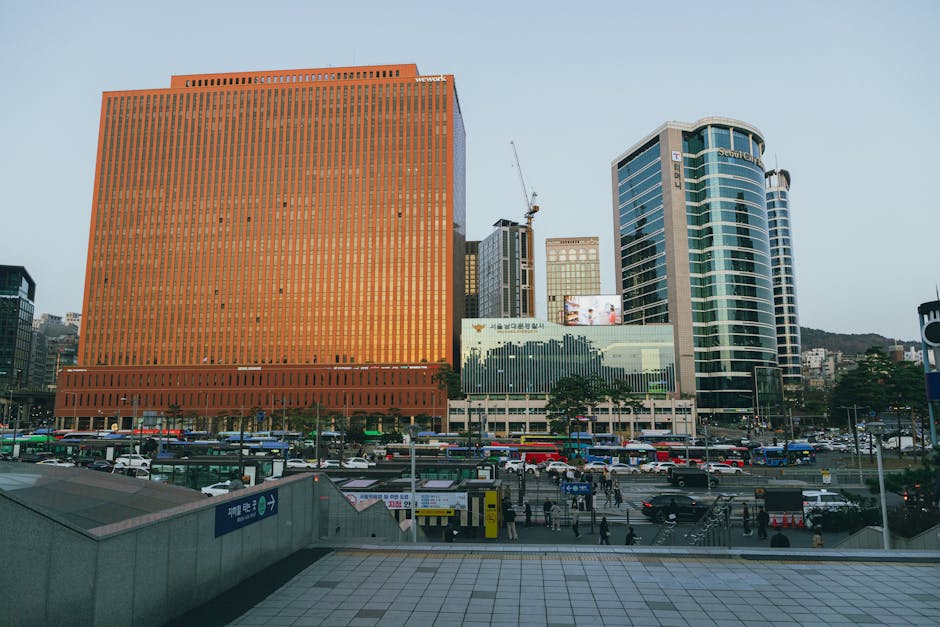
Getting around Seoul is convenient and affordable, thanks to its extensive public transportation system. The subway is the most efficient way to navigate the city, with signs in English and a user-friendly app to help you plan your routes. A single ride typically costs between $1-2, depending on the distance.
Buses are also an excellent option, offering routes that cover areas not accessible by subway. For late-night travel, taxis are available and relatively inexpensive compared to other cities, but make sure to have your destination written in Korean to show the driver.
Walking is another great way to explore, especially in areas like Insadong and Myeongdong, where you can soak up the atmosphere and discover hidden gems along the way.
Budget Breakdown#
Understanding the costs can help you plan your trip effectively. Here’s a rough daily budget estimate for different types of travelers:
Budget Travelers: Expect to spend around $50-70/day. This includes accommodation in hostels or budget guesthouses, street food meals, public transport, and free or low-cost attractions.
Mid-Range Travelers: A budget of $100-150/day is reasonable. This allows for staying in mid-range hotels, enjoying local restaurants, and visiting various attractions.
Luxury Travelers: For a more luxurious experience, budget around $250-400/day. This would cover upscale accommodations, fine dining, and premium experiences.
These estimates can fluctuate based on your personal preferences and travel style, but they provide a good starting point for planning your trip.
Travel Tips for Seoul#
Stay Connected: Consider renting a portable Wi-Fi device or purchasing a SIM card upon arrival. This will help you navigate the city and stay in touch without relying on public Wi-Fi.
Cash vs. Card: While credit cards are widely accepted, having some cash on hand is advisable for street food and smaller vendors. ATMs are readily available throughout the city.
Learn Basic Korean Phrases: While many people in Seoul speak English, knowing a few basic phrases can enhance your experience and help you connect with locals.
Be Cautious with Scams: While Seoul is generally safe, be aware of common scams, especially around tourist areas. Keep an eye on your belongings and avoid overly aggressive street vendors.
Tipping: Tipping is not customary in Korea, and service charges are often included in your bill. However, rounding up or leaving small change for exceptional service is appreciated.
Public Restrooms: These are widely available in shopping areas and public spaces, but it’s a good idea to carry some tissue, as not all restrooms provide toilet paper.
Cultural Etiquette: Be mindful of local customs, such as bowing slightly when greeting someone and removing your shoes when entering a home or certain traditional establishments.
With these tips in mind, you’re well on your way to experiencing the vibrant culture and rich history of Seoul without breaking the bank. Whether you’re exploring the ancient palaces or indulging in delicious street food, this city offers an unforgettable adventure for every traveler. If you’re also considering a trip to Kathmandu, Nepal , check out our guide for tips on exploring that fascinating destination.